Paris, France
By Chef Amine Ifakren
“To Reduce Food Cost in a Professional kitchen You need two things: A sensitivity to numbers and a creative mind.”
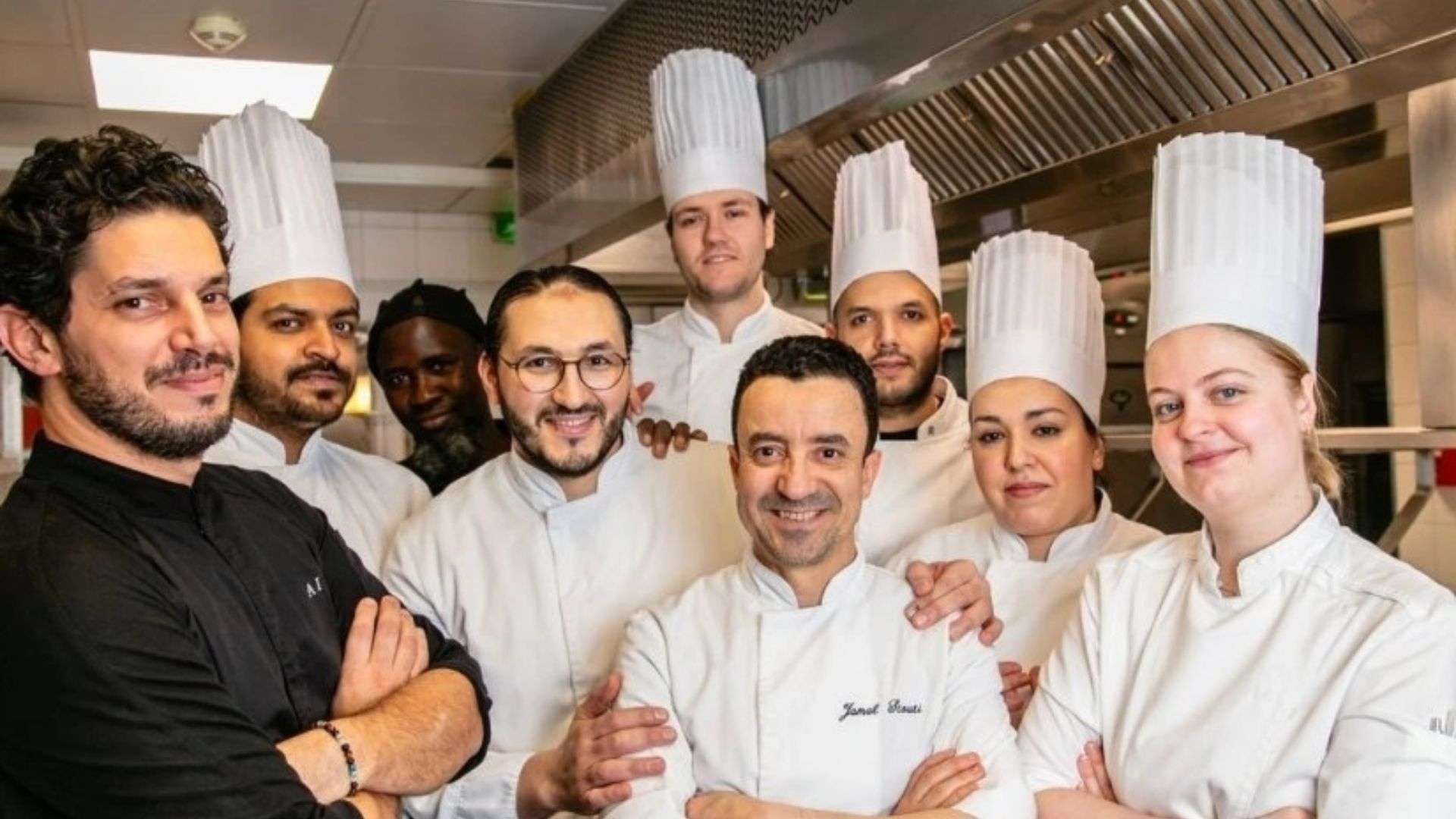
Running a profitable kitchen isn’t just about cooking good food—it’s about reducing food cost in a professional kitchen without compromising creativity or guest satisfaction. That’s exactly what Chef Amine Ifakren, currently leading the brigade at Renaissance Paris Arc de Triomphe, has mastered.
“People ask me all the time, how do I reduce food cost in my kitchen? The answer’s not magic. It’s two things: a sensitivity to numbers—and creativity.”
Here’s how Amine combines both to run a lean, inventive, and eco-conscious kitchen in one of the world’s most competitive culinary cities.
The Numbers Side: Small Moves, Big Margin
One of the most effective ways to reduce food cost in a professional kitchen is shifting from weekly ordering to daily supply management.
“I order every day. No bulk. No waste. If it’s not needed today, it doesn’t enter my kitchen.”
This habit minimizes spoilage and keeps stock lean. More importantly, it builds a natural discipline into your operation—making chefs and cooks think critically about every product they request.
Amine’s Cost-Smart Tactics Include:
Daily ordering = fresher ingredients, tighter stock control
Negotiating with suppliers for destocking deals
Letting supplier overstock shape the menu, not the other way around
Creating multi-purpose dishes from the same set of ingredients
Portion control through pre-measured mise en place
Keeping staff meals unstructured—designed to empty the fridge
“A fixed staff menu is a missed opportunity. I let that meal absorb anything nearing the end of its shelf life. It keeps the rotation clean.”
The Creative Side: Waste = Resource
Creativity is the ultimate cost-cutting tool. And for Amine, every leftover, trim, or scrap has potential value.
“Vegetable scraps? We turn them into bar snacks or chips. Leftover pastries? We make ice cream or pudding. It’s not waste—it’s raw material.”
This mindset doesn’t just reduce food cost in a professional kitchen—it builds a brand of its own. Guests notice the variety. Staff take pride in innovation. And the business saves thousands.
His go-to techniques include:
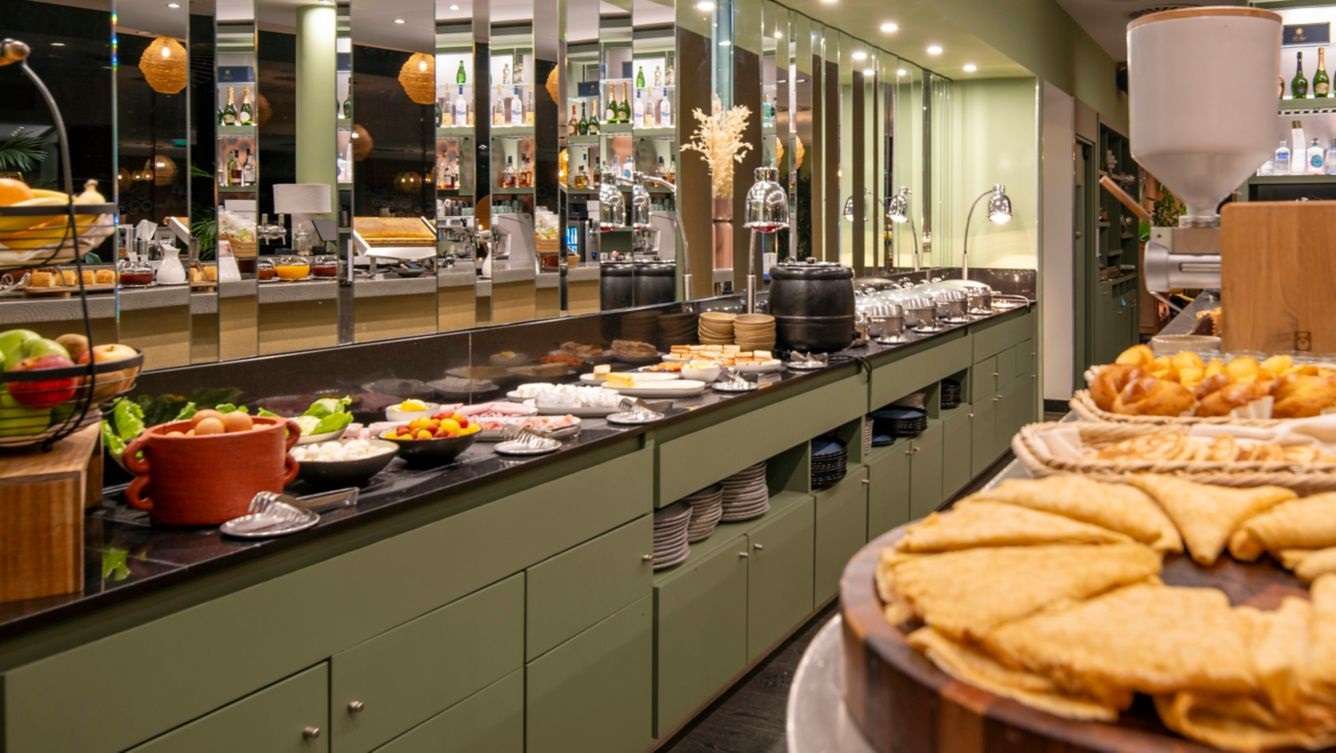
Using leftovers to fuel a brunch buffet at the weekend
Serving street-style tastings from seminar food overproduction
Turning kitchen trimmings into high-margin bar snacks
Leveraging vegetarian options made from what would be waste
Lean Teams, High Impact
Another cornerstone of Amine’s approach to lowering cost is staffing smart. He believes many kitchens are overstaffed because of outdated systems and under-trained teams.
“More cooks won’t make better food. Fewer people with stronger training means tighter execution and fewer mistakes.”
That translates to:
Lower labor cost
Fewer waste errors
Better individual accountability
Happier, more focused teams
Combined with easy-to-execute menu designs and repeatable prep flows, it becomes a sustainable staffing model.

“When you teach your team to think like this, it changes everything. You reduce food cost, improve morale, and elevate your brand.”
Top 10 Tips to Reduce Food Cost in a Professional Kitchen
Order daily to prevent overstocking
Buy end-of-line or surplus from suppliers
Let your inventory dictate the weekly menu
Use single products across multiple dishes
Control portion sizes with strict mise
Use staff meals to empty fridge stock
Turn trimmings into snacks, not bin fillers
Design brunches to clear surplus weekly
Train your team to think about profitability
Track everything weekly—cost, waste, yield
10 Quick Questions with Amine Ifakren
Insightful thoughts from the creative culinary mind of Chef Amine Ifakren on sustainability, food costs, and team innovation.
What is your preferred method for calculating food costs?
– I use software to create my technical sheets. You have to build a technical sheet to understand whether your calculations are on point.
Tell us about a dish created entirely from “waste.”
– I once used leftover brioche scraps to make a cream, and repurposed egg whites—yes, egg whites to make egg whites! I created a floating island for the menu.
Do you use any technological tools to track waste and costs?
– Not specifically, but when you’re in the field, you always keep an eye on your team and what’s happening around you.
How often do you change your menu?
– I create a lunch menu that changes every week, and a dinner menu that evolves every three months.
How do you present sustainable development to your team?
– Through daily actions. We share brief updates on the season’s products, and we also visit our suppliers to understand their approach firsthand.
Which ingredient is used the least but is the most economical?
– Many! Nothing comes to mind instantly, but take a potato or an egg—they can be used in endless ways. My philosophy is to focus on one product and play with textures.
How do you reward creative ideas that help reduce costs?
– We have a reward system called Magic Card to recognize and encourage our teams’ creativity.
What is a common mistake chefs make regarding costs?
– Thinking that expensive ingredients automatically mean better food. It’s not always true.
How do your customers react to flexible menus?
– If we spark their curiosity and pair it with storytelling, I believe customers are more than satisfied.
What is one thing every chef should do today to reduce food costs?
– Be more sensitive to plant-based ingredients. The future is about finding balance between game, fish, and vegetation on the plate.
Join the Conversation: Contribute Your Story
Are you finding creative ways to reduce food cost in your professional kitchen?
Do you turn leftovers into bestsellers?
Are you training your team to think lean and sustainable?
We want to hear from chefs, kitchen managers, and hospitality professionals who are making a difference.
Share your:
Kitchen hacks that save cost or reduce waste
Creative uses of trimmings, overstock, or surplus
Menu planning strategies
Photos of zero-waste dishes or sustainable setups
Short stories or full article contributions (we’ll help you edit & polish it)
Let your voice shape the future of smart and sustainable cooking