The Reality Behind the White Jacket: Life as a Cruise Ship Executive Chef
Life Aboard: Glamour and Grind
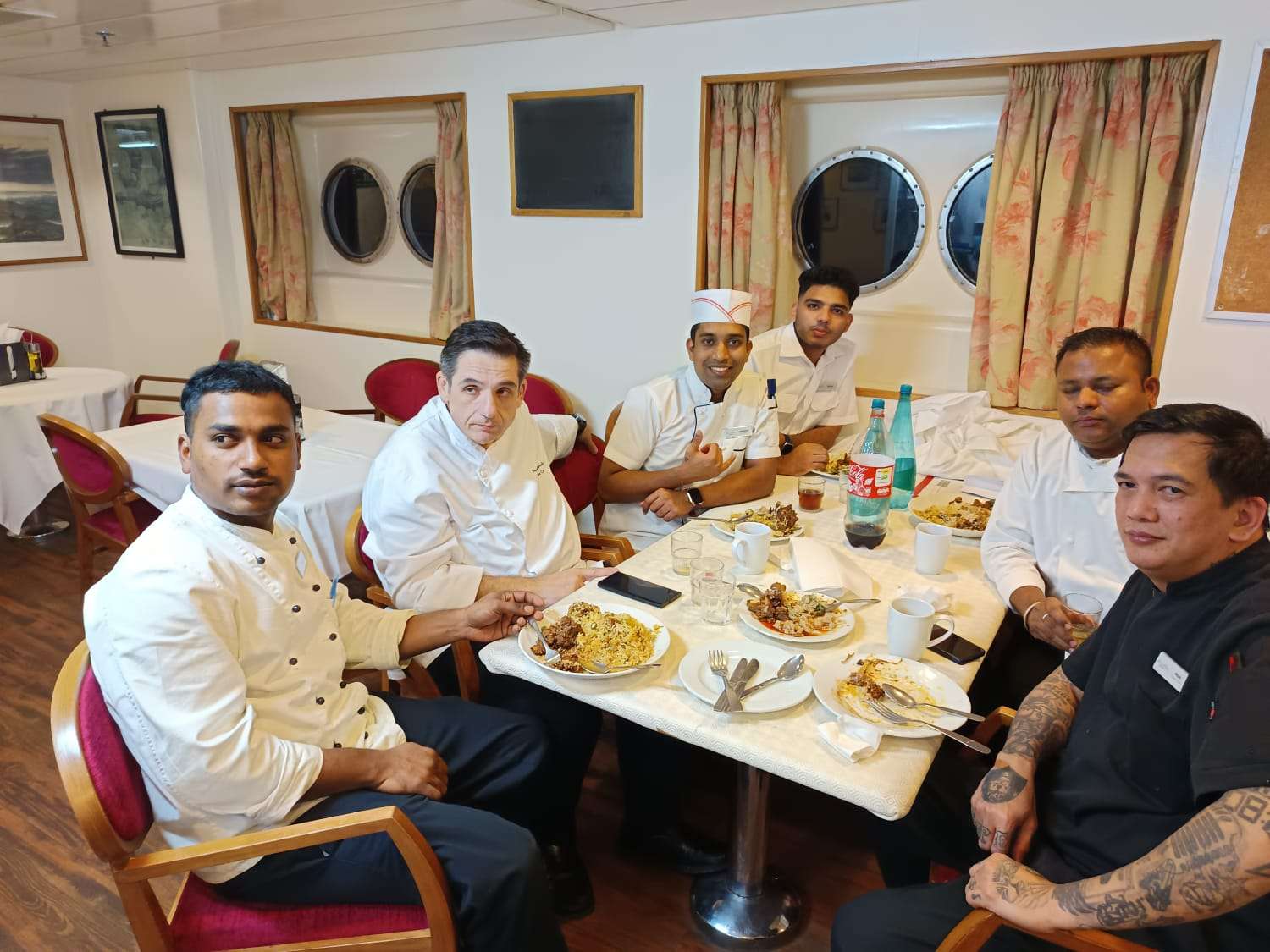
“At some point, the joy of cooking becomes survival. You’re pushing your body and your team beyond the limit, day after day.” – Shared with us anonymously by a senior cruise line chef
Behind the Buffet: What Guests Don’t See
It’s easy to admire the buffet. The sushi, the carving stations, the ice sculptures. But many don’t realize what it takes to keep that machine running—especially with a skeleton crew.
One chef told us how standard operating procedures (SOPs), menus, recipe cards, and hygiene plans had to be developed from scratch—without enough staff to execute them.
Others reported watching well-trained cooks burn out in weeks due to lack of support and respect.
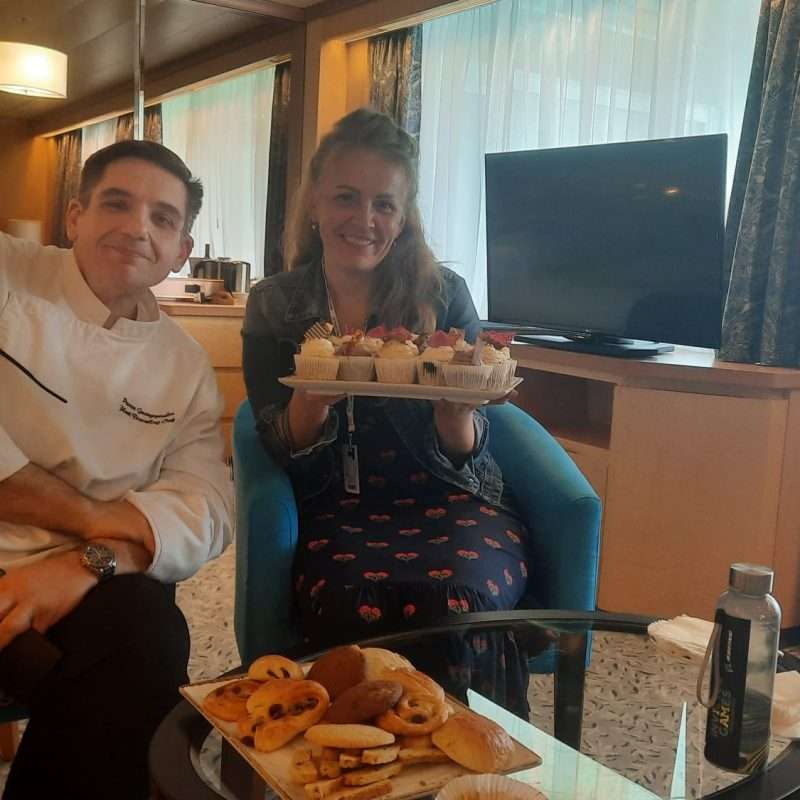
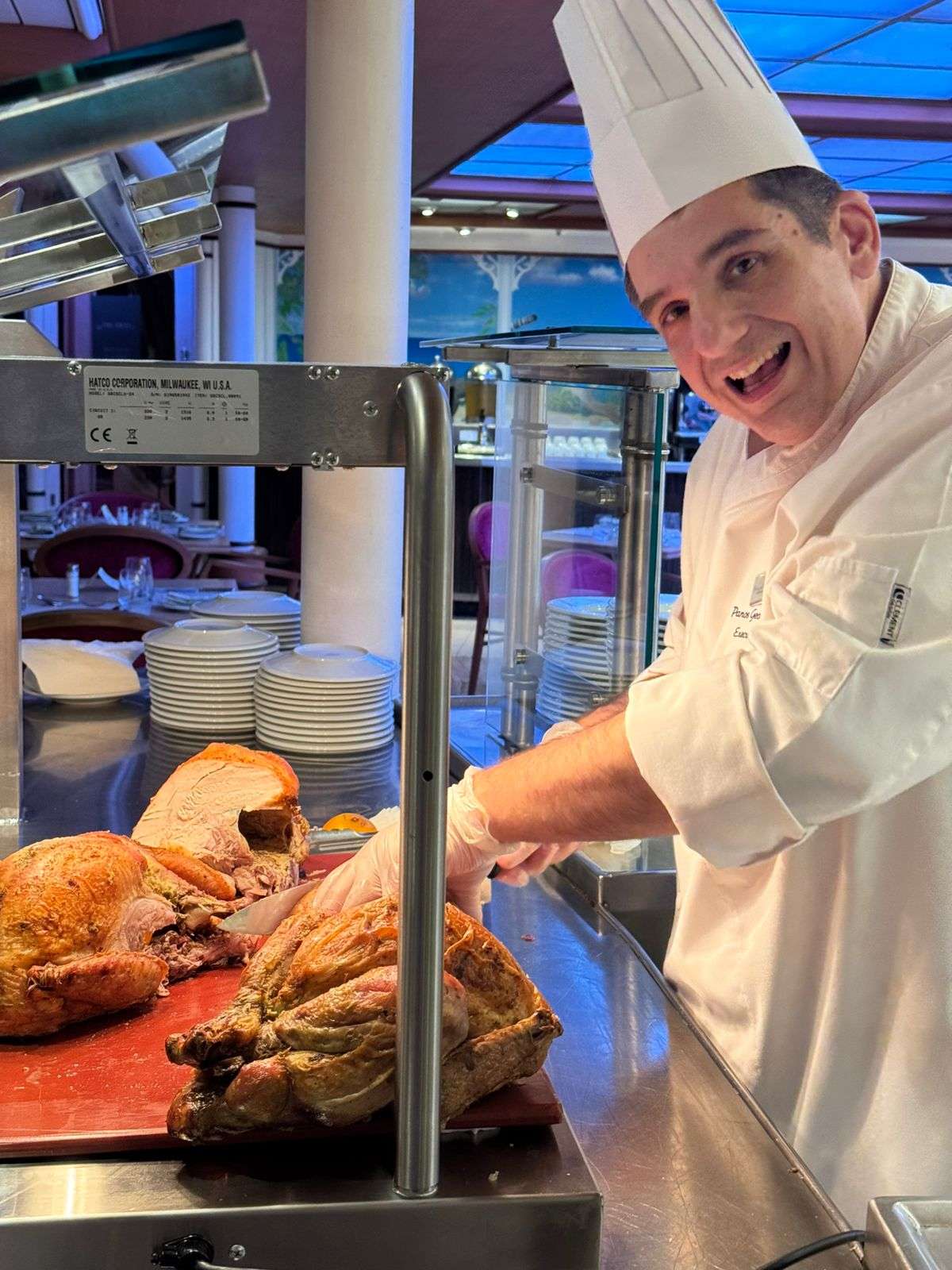
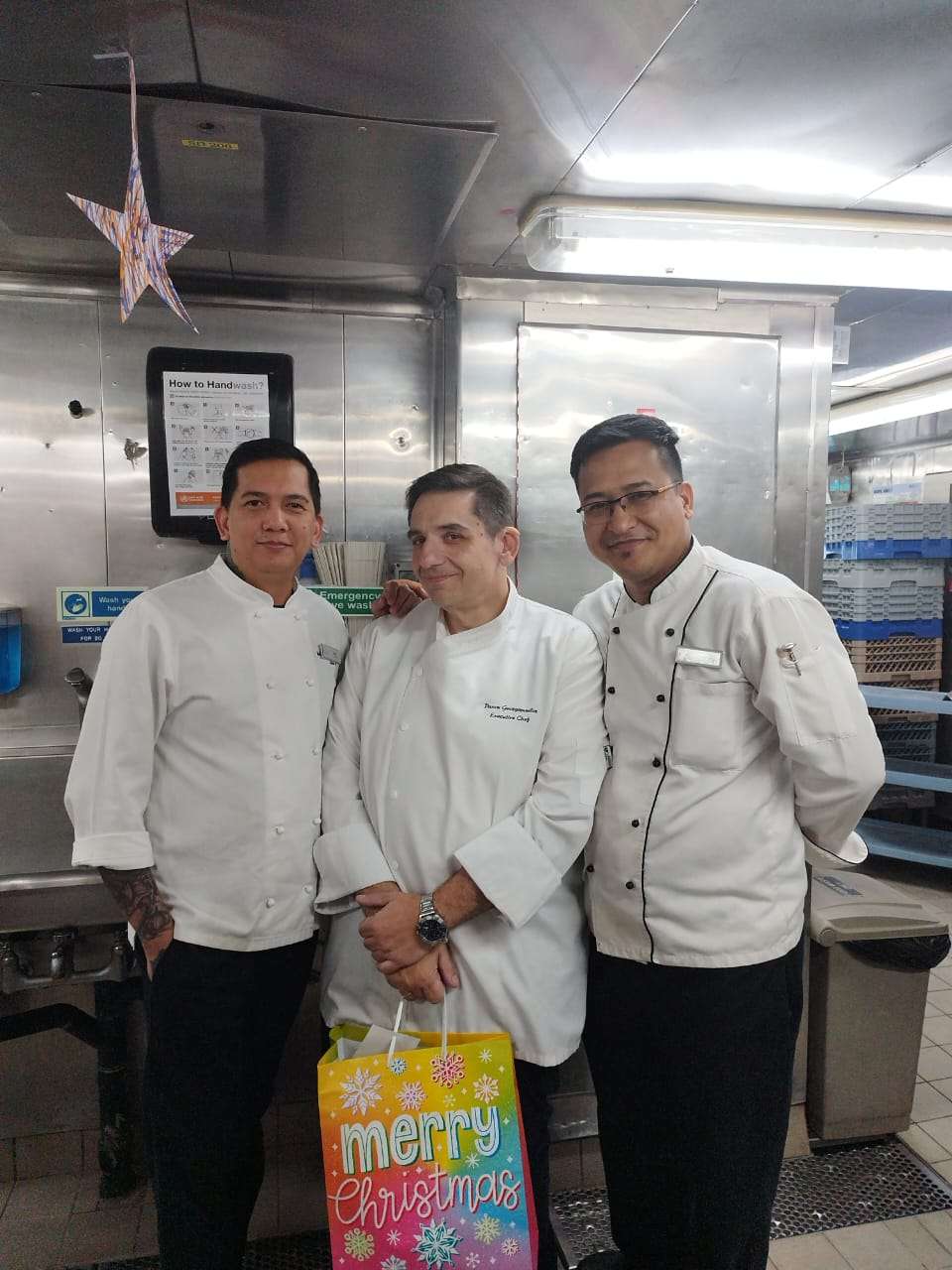
As Panos shared off record:
“I’ve seen brilliant chefs give up mid-contract, not because they couldn’t handle the food—but because they couldn’t handle being treated like a number.”
Hygiene, Stress, and the Hidden Impact on Mental Health
Cruise kitchens are subject to the strictest hygiene regulations in the industry. And rightly so. But constant audits, surprise inspections, and unrealistic standards are putting strain on chefs who are already working under extreme pressure.
Isolation, fatigue, and the lack of emotional support create a toxic mix.
In a 2019 Business Insider report, many cruise ship workers described feelings of depression, anxiety, and even desperation due to overwork and long periods away from family. Yet, mental health resources remain sparse.
This isn’t just a culinary challenge. It’s a hospitality industry issue—and it deserves urgent attention.
From the Galley: Questions We Asked
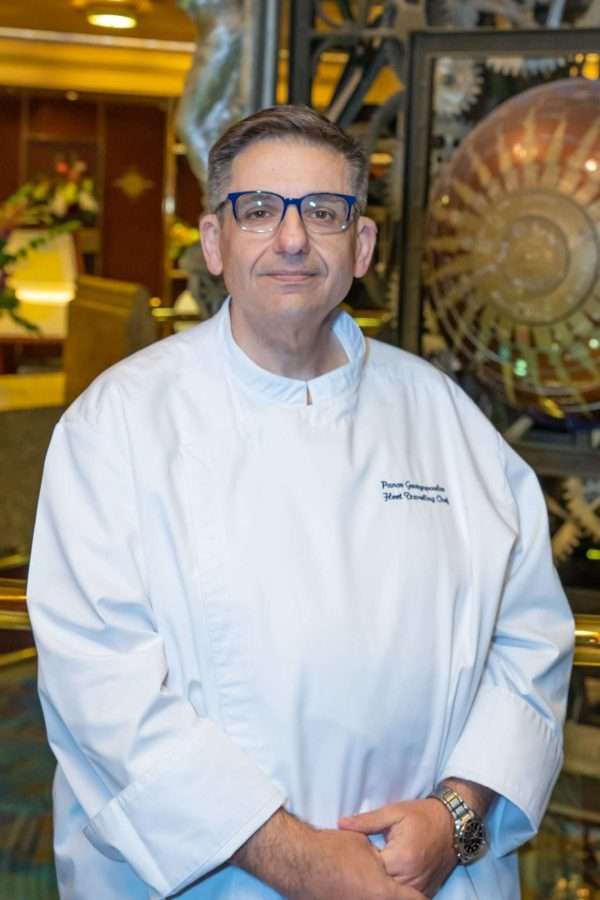
In our sit-down with Panos we didn’t just talk shop. We asked questions we believe every chef should hear—and reflect on:
What drew you to work at sea, and how did the reality differ from your expectations?
Many people are drawn to working at sea for various reasons:
Adventure and Exploration – The allure of the open ocean, discovering new places, and experiencing different cultures is powerful. However, working hours limit your time in port—sometimes all you see is the dock.
Love for the Sea – A genuine passion for marine life, sailing, or fishing often motivates individuals toward a seafaring career.
Career Opportunities – The maritime industry offers a wide variety of jobs, from research to tourism.
Independence and Freedom – There’s a sense of liberation in being out at sea, away from the usual grind.
Financial Incentives – Once, maritime jobs came with competitive salaries and benefits. Today, many positions are severely underpaid, with no raises in over 12 years—some earning even less than they did back then. To make matters worse, delayed salary payments for 1–2 months are not uncommon.
The reality often clashes with expectations in several ways:
Isolation – The distance from family and friends can be emotionally heavy, something many underestimate.
Harsh Conditions – Long hours, rough seas, and physical strain are the norm—not the exception.
Limited Amenities – Life on board is often cramped. Gyms for crew are usually in poor condition, and Internet is outrageously overpriced because companies profit from the crew.
Safety Risks – Working at sea has inherent dangers that are often glossed over before one sets sail.
Work-Life Balance – With no real days off, maintaining mental or emotional balance is tough. Personal relationships often take a hit.
While the sea offers beauty and adventure, it demands resilience and sacrifice.
Working 7 days a week with no break is mentally and physically damaging. One true day off per week—just to step off the ship, breathe some fresh air, and reset—would make a huge difference.
Can you walk us through a typical day in the galley?
My day starts at 6:00 am. I begin by inspecting all breakfast outlets on board. Around 7:00 am, I reach my desk, spend about an hour clearing my inbox, replying to emails, and reviewing the day’s menus and meetings.
At 8:00 am, there’s a 30–40 minute meeting with all Head Cooks and galley management. At 9:00 am, I meet with the F&B Manager and Hotel Director. From 9:30 am to 11:30 am, I’m on the floor supervising production across all stations—from the butcher and vegetable rooms to the buffet and pastry areas.
By 11:30 am, I’m tasting and approving food setups, then inspecting buffets for both guests and crew at 12:00 pm. At 1:00 pm, it’s back to the desk to review requisitions and emails.
From 2:30 to 4:00 pm, I take a short break. At 5:00 pm, I begin evening tastings across locations, then manage dinner service by calling food orders (“tickets”) in the main dining room until 10:00 pm. I wrap up the day between 11:00 and 11:30 pm—then finally, it’s time for night break.
How do you maintain creativity when dealing with extreme volume and repetition?
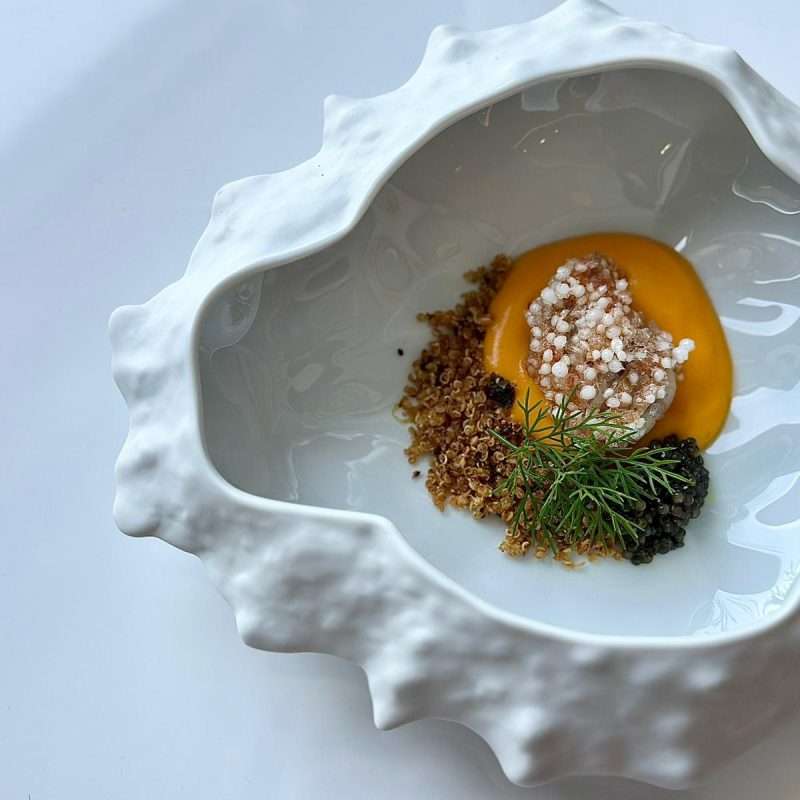
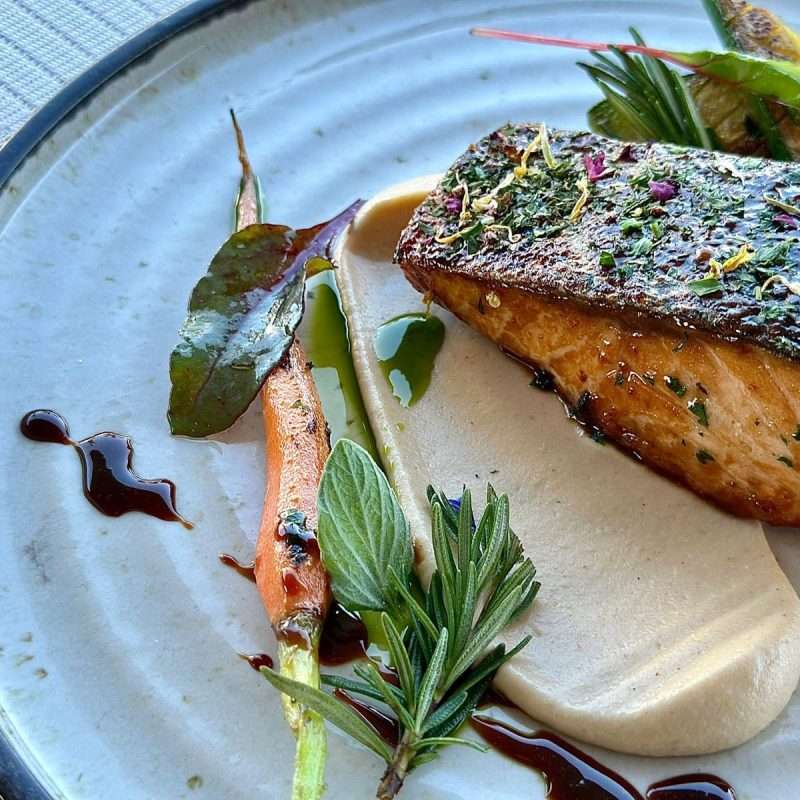
Creativity is nearly non-existent in this setting. All menus are pre-set, with recipes and photos included. It’s very rare to have the opportunity to create your own dish or influence the menu.
What’s the hardest part about leading a team on board?
The constant understaffing. Many new crew members arrive without any basic knowledge—I have to train them from scratch. Teaching them how to hold a knife, the difference between parsley and cilantro, and the fundamentals of working safely (which is rule number one) is part of the daily reality. My goal is to help them leave at the end of their contract safe and a little more skilled.
How are staff shortages affecting morale and quality at sea?
The environment and exhausting hours are driving crew members away. They don’t return after contracts end. This creates a vicious cycle: those who stay are forced to cover for one or two missing team members.
That demoralizes the team and leads to culinary shortcuts. Recipes aren’t followed properly. Presentation suffers. Sometimes dishes are even removed from the guest menu altogether.
How do you manage food safety and hygiene under pressure?
Food safety is non-negotiable. It’s everyone’s responsibility. We follow sanitation protocols 24/7 in every location—no exceptions.
What mental health support exists on board (if any)?
It’s a tricky subject. Mental health checks are part of our general medical evaluations, but they’re superficial. After several years, many crew members face mental health challenges. Still, it’s rarely officially acknowledged that the ship environment plays a role.
Can you describe a moment when you felt completely burnt out—and what got you through it?
No comments 🙂
What kind of change would make the biggest difference for culinary teams on cruise ships?
The most important change? Staffing. We need enough crew on board to train each person individually. Also, working 7 days a week with no break is mentally and physically damaging. One true day off per week—just to step off the ship, breathe some fresh air, and reset—would make a huge difference.
If you could design your dream land-based kitchen—what would it look like?
My dream kitchen would work exclusively with local products—fresh vegetables, local meats, seafood—creating a new menu each day based on the ingredients I find in the market.
The kitchen itself would have glass walls for natural light and an open feel. I’d use marble counters and gas stoves and ovens. Ideally, it would be located near the beach so I could see and smell the sea as I cook.
What kind of challenge are you hoping to take on next, now that you’re ready to return to land?
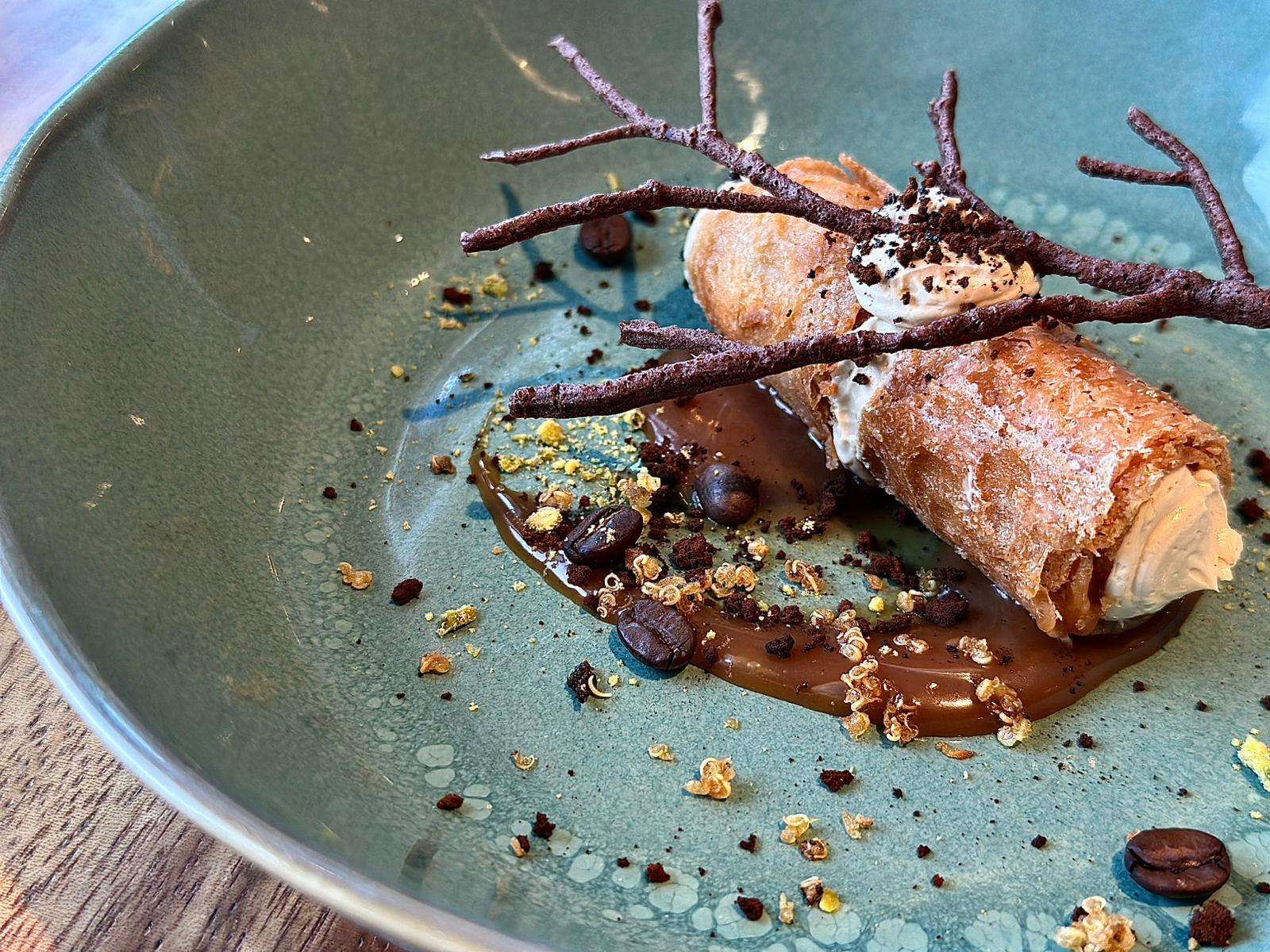
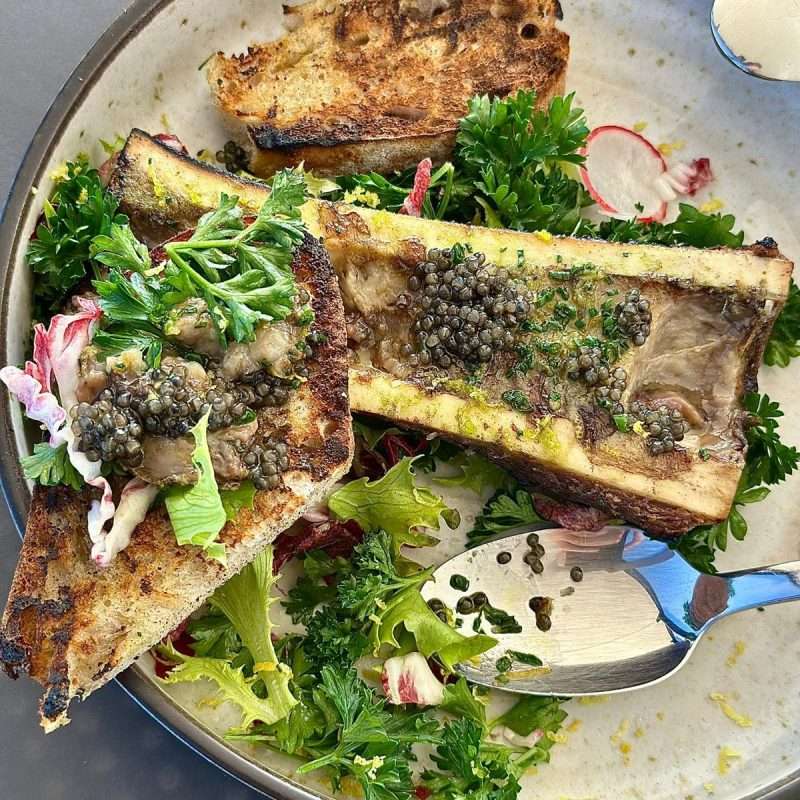
I’m looking for a role near the sea, working with a team that’s eager to learn and explore Mediterranean cuisine. I want to share my knowledge, train others, and create opportunities to blend tradition with fusion cuisine—keeping the passion alive.
Looking Forward: A Sea Change Is Needed
We’re not here to romanticize or villainize life at sea. We’re here to say: let’s talk about it.
Talented chefs like Panos have kept the cruise industry’s culinary standards afloat for years—creating systems, building teams, and serving excellence under duress. But too often, these contributions are overlooked, or worse, exploited.
If we want to build a sustainable hospitality industry, we have to start by supporting those who carry the weight of it.
Join the Conversation — Tell Us Your Story
Have you worked on board a ship? Felt the weight of long hours, far from home? Or found innovative ways to bring wellness, creativity, and resilience into your kitchen?
CHEFS MAG is here for real people, real stories.