Executive Chef Oliver Mette's Approach to Reducing Food Waste in luxury "Hotel de Ia Coupole"
Reducing Food Waste in luxury hotels presents a significant challenge.
In the luxurious ambiance of Hotel de Ia Coupole, situated in the picturesque Sapa, Vietnam, fine dining reaches new heights under the leadership of Executive Chef Oliver Mette.
With over two decades of culinary experience across prestigious establishments worldwide, Chef Mette is not only a master of his craft but also a passionate advocate for sustainable kitchen practices, particularly in reducing food waste.
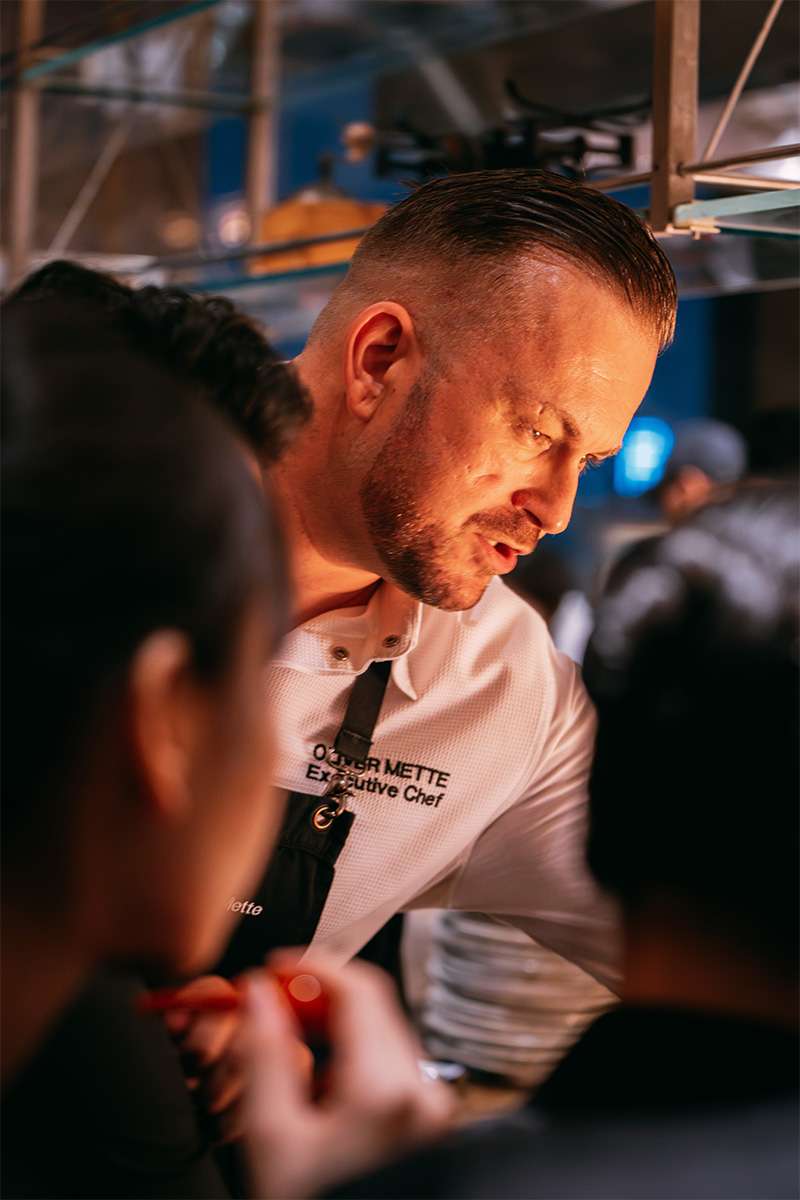
Chef Oliver Mette Culinary Profile
Chef Oliver Mette’s illustrious career is marked by notable achievements and an unwavering commitment to excellence. Fluent in both English and German, he has garnered accolades such as Michelin selections from 2015 to 2018, the Best Swiss Award, and a nomination as Rising Star in 2017 for his exceptional culinary creations. His journey has taken him through esteemed hotels such as the Renaissance Tower Zurich, the bustling Hotel Grischa in Davos, where he catered to esteemed
guests including Donald Trump and other political figures during the World Economic Forum. Later, he moved to the luxurious Hideaway Beach Resort & Spa in the Maldives, known for its top-tier honeymoon experiences. Currently, as the Executive Chef at Hotel de Ia Coupole, Chef Mette oversees multiple dining venues, blending French elegance with Vietnamese flavors to create a unique culinary experience.
Close up with Executive Chef Oliver Mette
What inspired your commitment to reducing food waste in luxury hotels?
– I grew up in the countryside, fostering a deep connection with nature, which I respect as if it were my home. The vibrant landscapes and the soothing sounds of wildlife shaped my appreciation for the natural world.
Can you describe the specific practices you have implemented at ” Hotel de Ia Coupole ” to minimize food waste?
– We have manual checkpoints and procedures to track our waste in kilograms per head and monitor gas usage. We utilize GAJA, a food waste tracking tool, to maintain a comprehensive overview of our efforts. Additionally, we strive to be role models and ambassadors for sustainability, inspiring others to adopt eco-friendly practices. By continuously refining our methods, we aim to reduce our environmental impact and foster a culture of responsibility within our community
How do you ensure that these practices are adhered to by your kitchen staff on a daily basis?
– We empower our kitchen staff through comprehensive training on control and cooking practices, fostering a culture of excellence. By leading by example and demonstrating our commitment, we inspire each team member to embrace these principles passionately, ensuring that our standards are upheld every day.
What role does menu planning play in your strategy to reduce food waste?
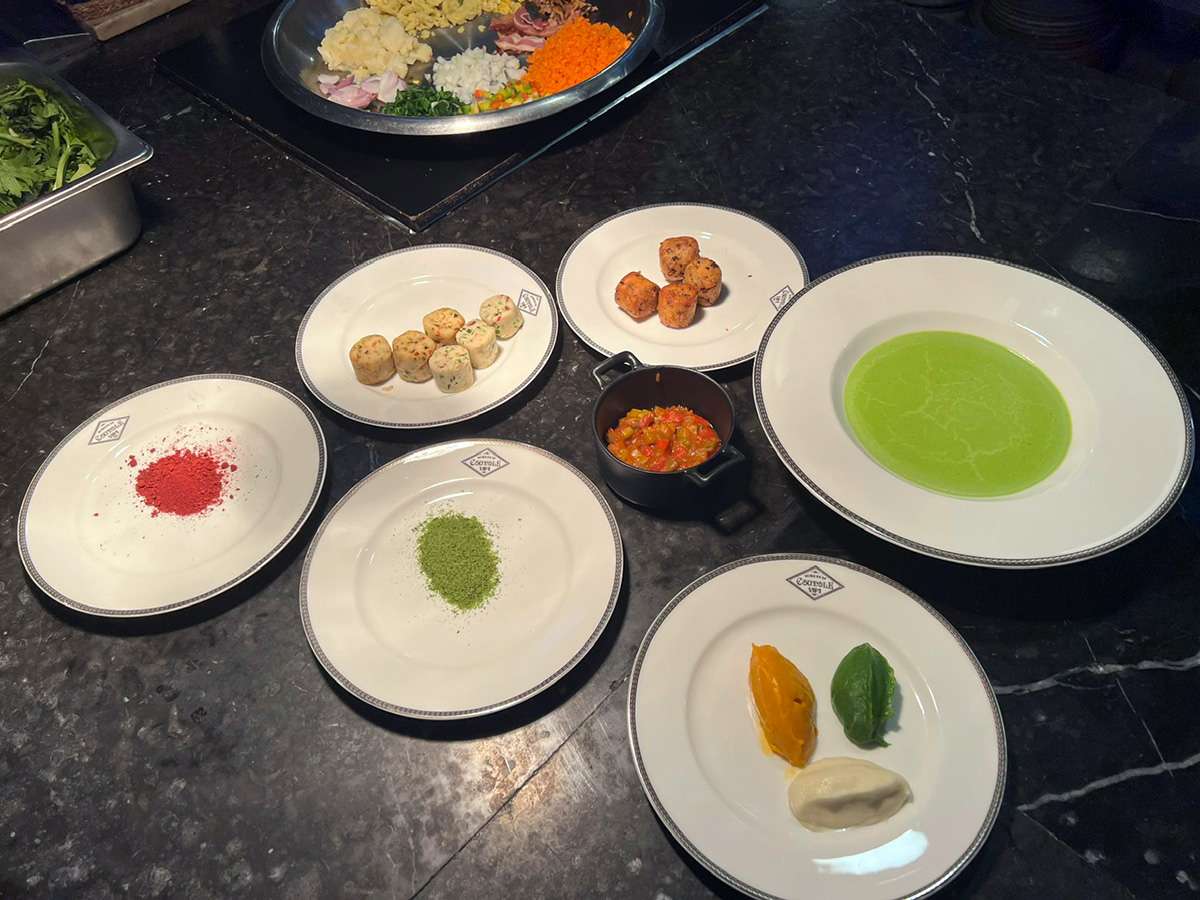
– The Menu planning plays a crucial role in our strategy to reduce food waste. I am developing new a Ia carte special dishes that creatively promote 100% utilization of ingredients like cauliflower, potatoes and fish.
Could you share some of the challenges you’ve faced in implementing food waste reduction measures and how you overcame them?
– I believe it’s vital to communicate the importance of these practices to our team clearly. It takes time and dedication to instill these values in others, and we must lead by example every day. By embodying our commitment and maintaining discipline, we create a culture where everyone understands their crucial role in our mission.
How do you utilize food scraps and leftovers creatively in your dishes without compromising on quality?
– Cooking, experimenting, and being creative with our leftovers sparks new ideas naturally. Once we started this journey, inspiration flowed effortlessly! Imagine how far we could go if even more people embraced this mindset.
What training programs or workshops have you introduced to educate your team about the importance of reducing food waste?
– We conduct weekly training sessions where I share new ideas and insights. In addition to utilizing the GAJA platform, which allows us to effectively compare our progress, we can continuously improve our practices together.
Have you collaborated with any local farmers or suppliers to further support your sustainability goals?
– We work in the mountains of Vietnam and pride ourselves on being ultra-local. Many of our vegetables and fruits are sourced from our own cultivation, while the fish comes from a farm just 45 minutes away. I personally explore the markets weekly, seeking new seeds and products to incorporate. Currently, approximately 80% of our menu features locally sourced ingredients.
Could you highlight any significant achievements or milestones that “Hotel de Ia Coupole” has reached in its efforts to reduce food waste?
– This year, we are reducing food waste by 20% compared to 2023, thanks to strong controls and innovative ideas. Success is never final, and we still have a long way to go.
What advice would you give to other luxury hotels aiming to reduce their food waste footprint?
– First, it’s essential to understand the immense work, time, and effort that goes into producing even a grain of rice or bringing a beef steak to the table. We must think sustainably, by example, set meaningful goals, and incorporate these values into our menu.
Practices and Achievements in Reducing Food Waste
Chef Mette’s approach to reducing food waste is comprehensive and multifaceted. At “Hotel de Ia Coupole” every aspect of kitchen operation is scrutinized to minimize waste. Here are some key practices:
- Precise Menu Planning: By designing menus that use seasonal and local ingredients, Chef Mette ensures that produce is fresh and less likely to be wasted. This also supports local farmers and reduces the carbon footprint.
- Portion Control: The kitchen staff is trained to prepare and serve appropriate portion sizes, reducing the likelihood of food being left uneaten.
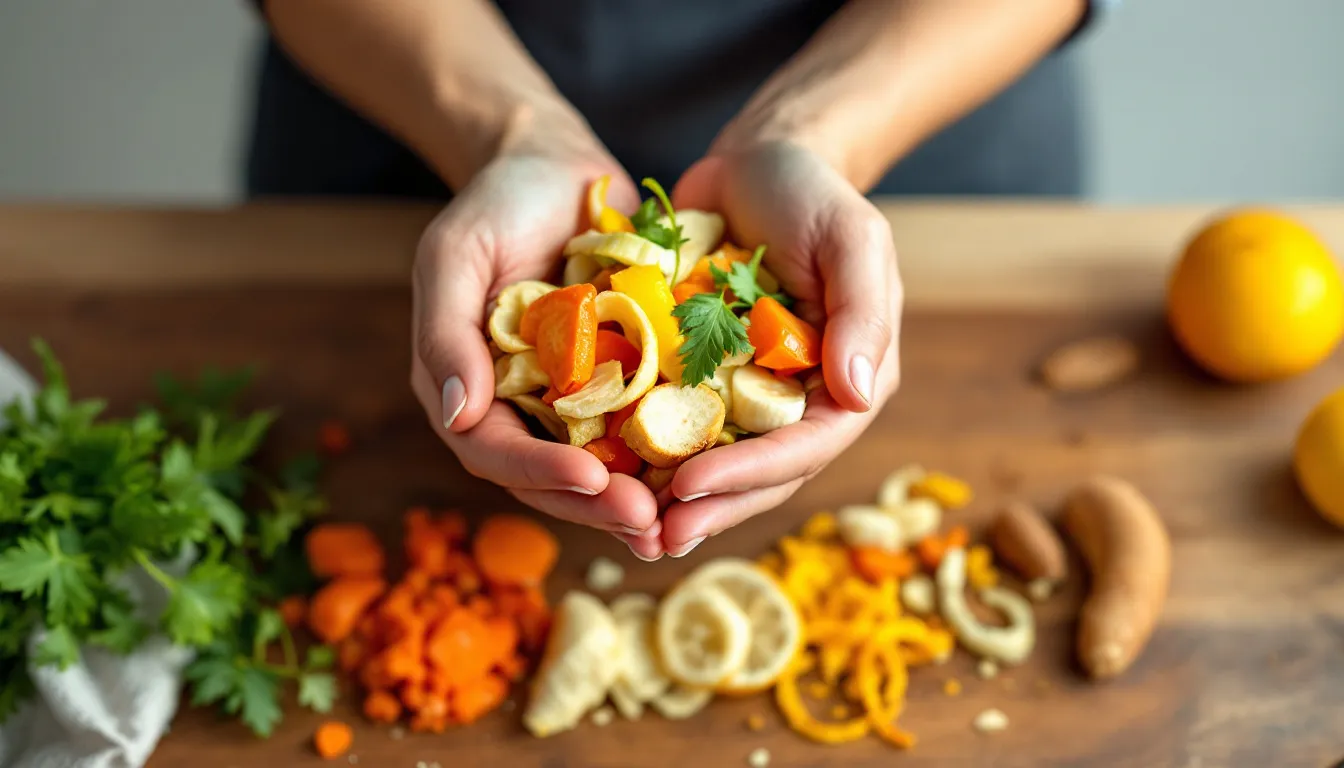
- Creative Reuse: Leftovers and food scraps are creatively repurposed. For instance, vegetable peelings might be used to make stocks, and day-old bread can be turned into bread-pasta or breadcrumbs for all kitchen areas. Lemon Skin can be used for a Lemmon Cake ,Carrot Green dry to powder or Vegetables Skin can be a decent vegetables decoration powder after drying and blending.
- Staff Training: Regular workshops and training sessions are held to educate staff on the importance of sustainability and practical steps they can take to reduce waste.
- Collaboration with Suppliers: By working closely with suppliers, the hotel ensures that only the necessary amount of produce is delivered, thereby minimizing excess. Chef Oliver Mette is always close to local farmer!These efforts have led to significant achievements. Under Chef Mette’s guidance, Hotel de Ia Coupole has become a leader in sustainable practices in the hospitality industry. The hotel has received numerous accolades, including the Best Luxury Hotel Restaurant South East Asia and a HACCP certification for its high standards of food safety and quality.
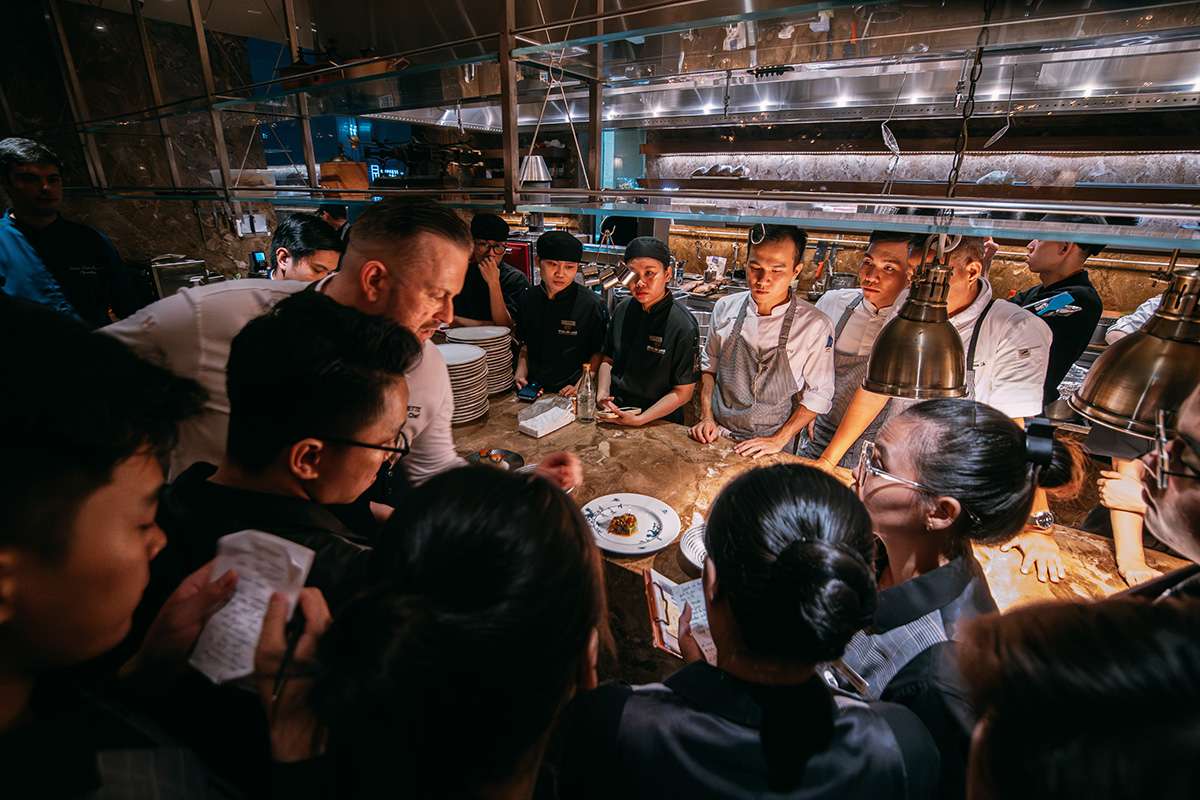
Food for Thought
Reducing food waste is not just a trend but a necessity, especially in luxury hotels where the focus on high-quality dining experiences often leads to excess
How do you think luxury hotels can balance maintaining their reputation for lavishness while implementing sustainable practices?
“/ believe it is essential to communicate our ideas to the guests and minimize waste at the buffet.
We are stronger together and need more chefs who share this vision and can bring it to the forefront. Share your thoughts and experiences!
We still have much to change and improve, which motivates me even more to embrace green and clean cooking. The journey is the goo/, and we ore making significant strides in the right direction here in Sapo, Vietnam. While anyone can cook with top products /ike caviar, Wagyu beef, or foie gras, the true challenge lies in achieving similar results with local ingredients. In this spirit, let’s stay local and cultivate a green thumb.”