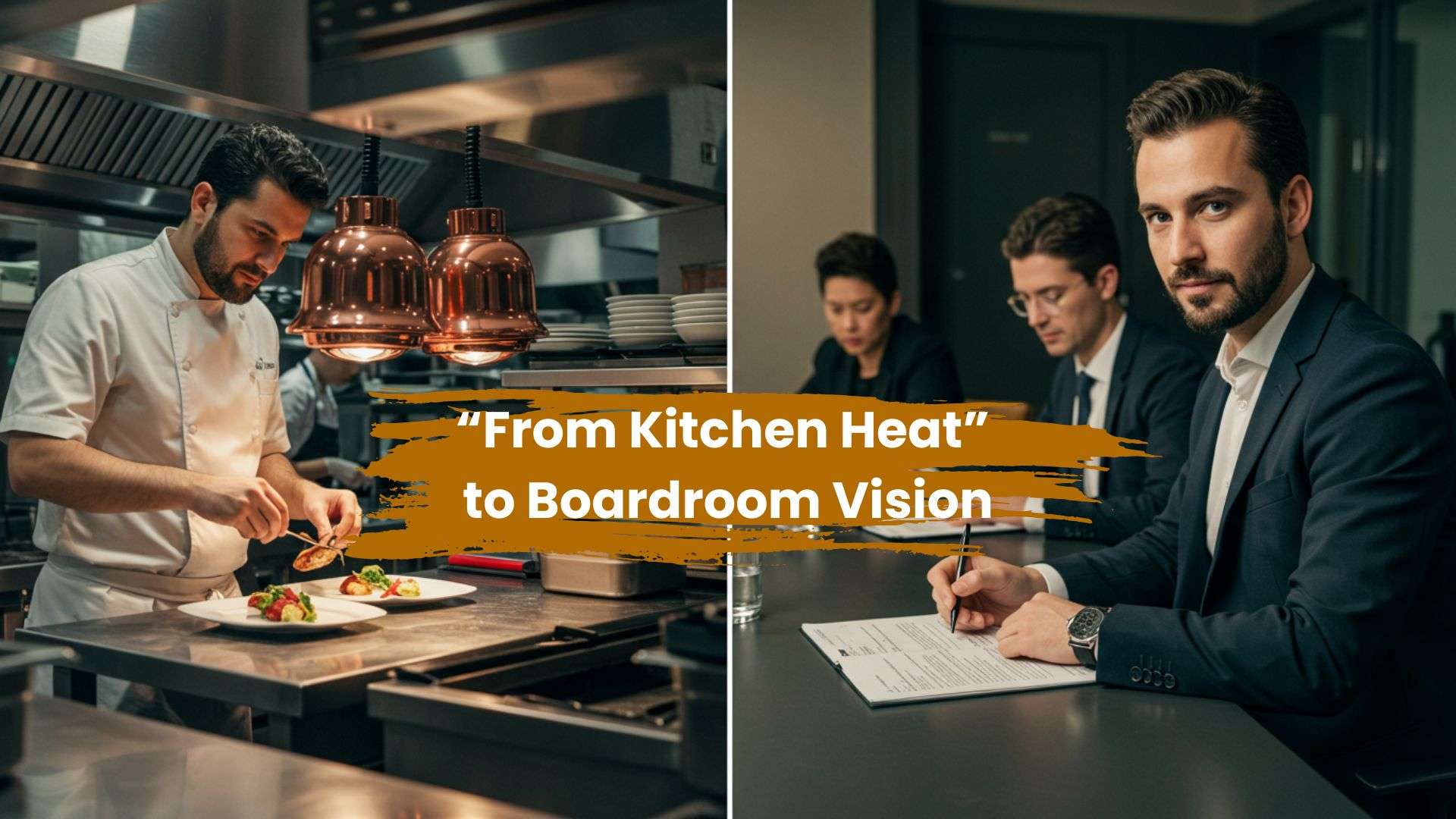
Why Executive Chefs Are Moving Beyond the Kitchen and Into Management
By Alberto Cascio |F&B Director and Global Hospitality Leader | CHEFS MAG
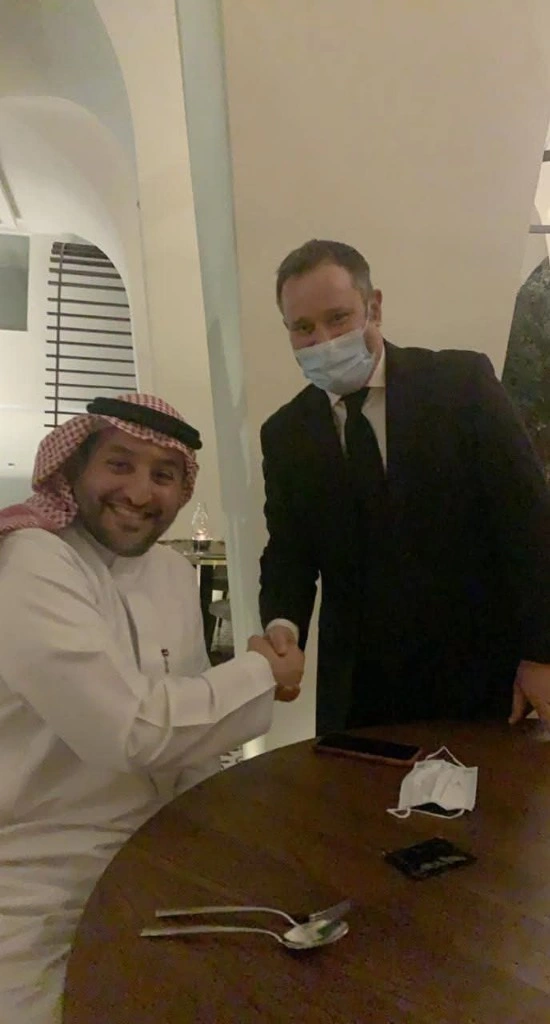
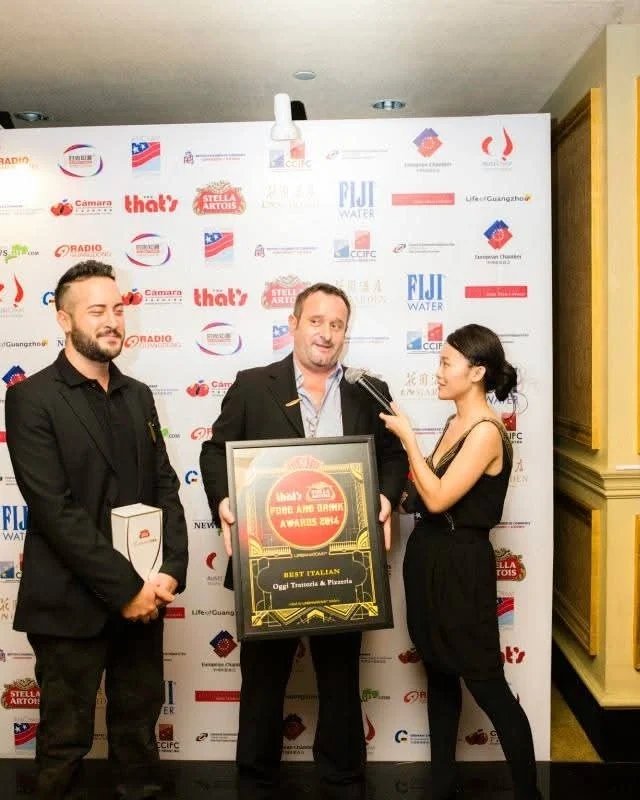
After decades of mentoring chefs and leading operations across continents—from Saudi Arabia to Nigeria, China to Uganda—Alberto Cascio has seen an undeniable trend: top-tier Executive Chefs are evolving into Food & Beverage Managers.
“I’ve managed culinary teams all over the world. The most ambitious Executive Chefs aren’t stopping at the kitchen—they’re looking at the bigger picture,” says Cascio.
And the reason? Growth, influence, and impact.
The Appeal of Expanding One’s Role
Traditionally, Executive Chefs have held one of the most revered positions in hospitality—creators of culinary identity, leaders of the brigade, and keepers of consistency. But over time, many reach a ceiling.
That’s when the question arises: What’s next?
“Being an Executive Chef is a badge of honor. But for many, it’s also a stepping stone to something broader—to be able to shape service, guest satisfaction, and business results,” Cascio explains.
Transitioning into an F&B Manager role offers chefs:
- Exposure to front-of-house operations and customer engagement.
- Business acumen through P&L responsibility, cost control, and revenue management.
- Cross-functional leadership across service, marketing, and staffing.
- A chance to influence brand development, menu direction, and overall guest experience from end to end.
”“I’ve managed culinary teams all over the world. The most ambitious Executive Chefs aren’t stopping at the kitchen—they’re looking at the bigger picture.”
”“I've seen chefs struggle with the people-first mindset F&B requires. It’s no longer about perfecting a dish. It’s about managing multiple teams, balancing guest needs, and hitting budget targets—every day”
A Broader Impact and New Challenges
The benefits are real, but the transition isn’t without friction.
Chefs often face:
- A learning curve in financial planning, labor law, and service systems.
- Reduced creative focus, especially for those passionate about R&D or plating.
- Occasionally, a salary reset, depending on the market or property.
“I’ve seen chefs struggle with the people-first mindset F&B requires. It’s no longer about perfecting a dish. It’s about managing multiple teams, balancing guest needs, and hitting budget targets—every day,” says Cascio.
Still, for many, the trade-off is worth it. In return, they gain strategic insight, room to grow, and a path toward executive leadership roles, including General Manager and Operations Director positions.
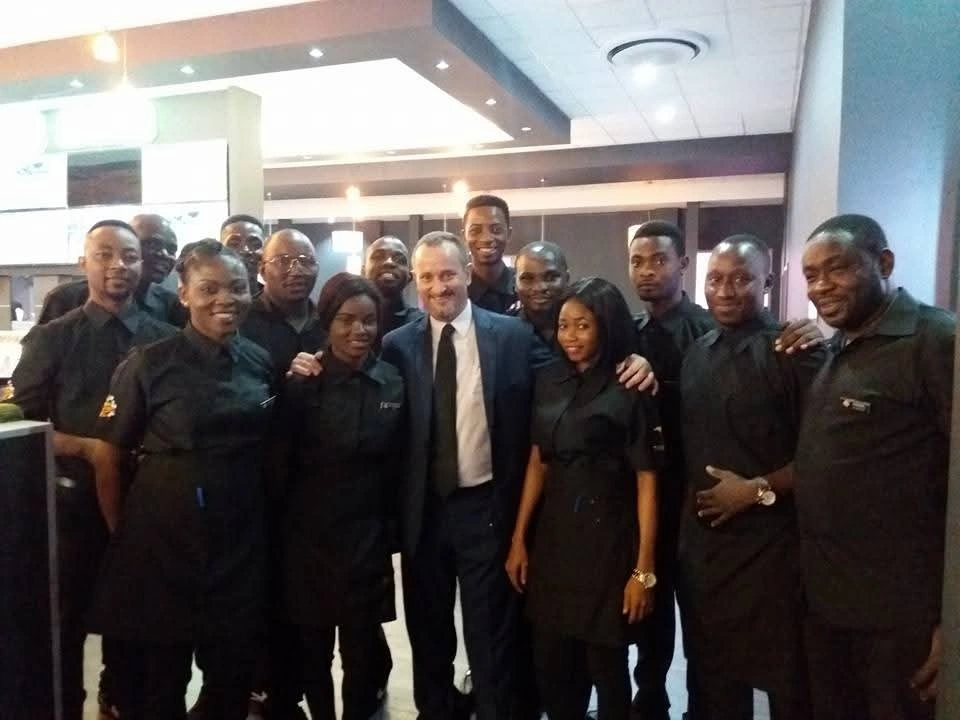
Interview with Alberto Cascio: The Industry’s Perspective
We sat down with Alberto Cascio to get his overview on the Executive Chef to F&B Manager journey—and what aspiring leaders should know.
From your perspective as an F&B Director, what’s driving more Executive Chefs to explore roles in Food and Beverage management?
– Well, difficult to say, every Chef has his ow reason, but over the years I have noticed that most of the Chef choosing to transit from Culinary to Management is because they are excited to extend their influence beyond the kitchen. Allows them to shape the overall guest experience, drive profitability, and engage in strategic decision making. Taking on a management role enables them to integrate culinary innovation with operational strategies, ensuring that restaurants not only serve great food but also remain competitive in a fast-changing market.
F&B management positions often come with enhanced benefits, leadership opportunities, and the chance to steer business performance, making them attractive alternatives to the physically demanding chef role.
What common traits or skills do successful transitioning Executive Chefs typically have?
– Executive Chefs are effective leaders in motivating staff, they enforce a positive work environment and reduce turnover by creating a supportive and engaging workplace. They maintain high standards in food safety. Consistency in presentation and service is vital for customer satisfaction.
In your experience, what are the biggest challenges Executive Chefs face when stepping into an F&B Manager role?
– The Executive chef primary focus is on the kitchen, creativity, and delivering exceptional dishes. In contrast, an F&B manager must balance culinary excellence with business operations, emphasizing cost control, revenue management, and profitability.
How does the role of an Executive Chef differ most dramatically from that of an F&B Manager?
– Executive Chef drives the culinary innovation and kitchen performance, the F&B Manager is responsible for the broader business and operational aspects of food service.
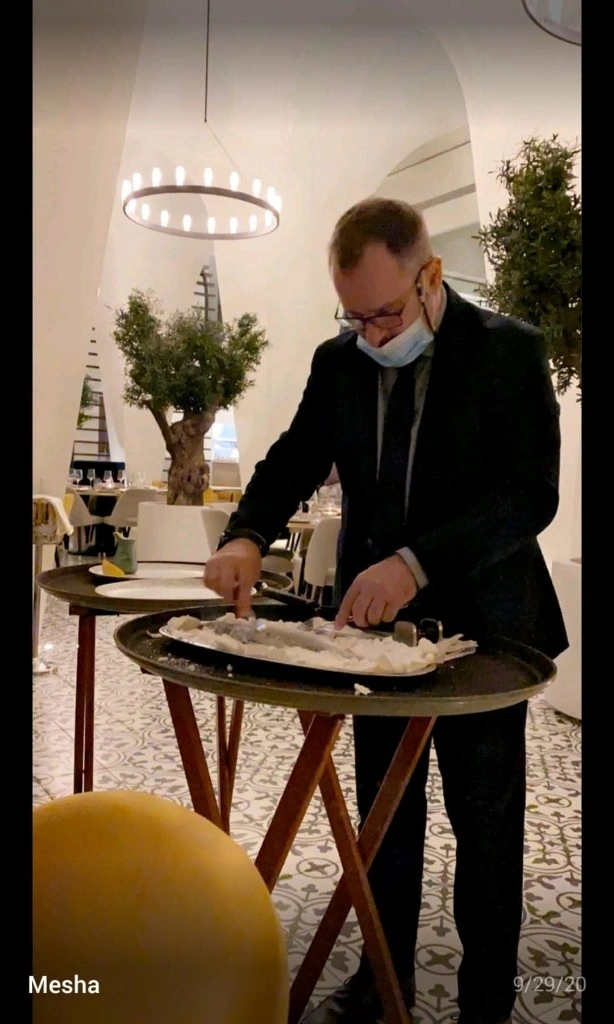
”A true chef leads with passion. A great F&B Manager leads with vision. Combine both, and you become unstoppable.
What are the key knowledge gaps chefs need to fill when moving into a broader management role?
– The ability to read and interpret profit and loss statements, balance sheets, and other financial documents. Often Executive Chefs are more focusing in creating, which require a lots of fantasy, but not really management skills, like being involved in long term strategic planning, including expansion and innovation initiatives. While culinary expertise remains at the core of a chef’s identity, expanding into a management role requires filling these gaps to ensure not just operational success, but also strategic growth and a healthy workplace culture.
How do Executive Chefs typically adapt to front-of-house responsibilities and guest-facing service elements?
– They often participate in service rounds or tastings to directly gather and respond to guest feedback, ensuring that dishes not only taste great but also appeal visually and conceptually. Some of the Executive Chefs make guest appearances, whether during special events or routine dining service, to share the inspiration behind the menu, answer questions, and even provide recommendations.
Do you believe this transition can position chefs for long-term leadership, such as General Manager or Operations Director roles?
– Not really. As I have mentioned Executive Chef primarily celebrate for their creative and culinary expertise, the role also demands leadership, organization, and sometimes even strategic decision making. Many Executive Chefs do indeed pick up management skills on the job, but pursuing additional formal studies in hospitality or hotel management can significantly broaden their capabilities. This extra education not only sharpens their operational and financial management skills but also positions them well for transitioning into roles such as General Manager or Operations Manager within the hospitality industry.
Are hospitality companies today actively supporting or even encouraging chefs to make this transition?
– Companies do increasingly supporting and even encouraging chefs to transition into Food & Beverage. Reasons could be diverse, such a HR saving cost (one salary 2 roles), a chef in an F&B leadership role ensures that menu development, cost control, and kitchen operations are fully aligned with the overall guest experience and business strategy. However, not all chefs are suited for this transition. The role of an F&B Director requires strong financial acumen, people management, and the ability to oversee multiple revenue-generating outlets, which is a significant shift from a purely culinary focus.
What advice would you offer to Executive Chefs who are considering stepping outside the kitchen to grow their careers?
– Being an excellent chef is one thing, but stepping beyond the kitchen requires a solid foundation in leadership. Learn to manage not just a brigade, but an entire operation staffing, budgeting, marketing, and guest experience. Connect with industry leaders, attend hospitality conferences, and join professional organizations like the World Association of Chefs Societies or F&B networking groups like All4Chefs Network. Follow global dining trends, sustainability practices, and emerging technologies in the food industry. This will help you stay relevant whether you move into restaurant ownership, hospitality consulting, or product development.
Respect the Craft, Embrace the Evolution
For chefs with ambition beyond the pass, Food and Beverage Management is no longer a detour—it’s a strategic next step. As Cascio puts it:
“A true chef leads with passion. A great F&B Manager leads with vision. Combine both, and you become unstoppable.”
About the Author:
Alberto Cascio is an internationally experienced Food & Beverage Director with over 20 years of leadership across hotels, restaurants, and hospitality groups in Africa, Asia, and the Middle East. Known for building winning teams and driving operational excellence, Cascio is passionate about shaping the next generation of hospitality leaders
Published by CHEFS MAG | Discover Talents | All4Chefs.com
Connect with Alberto Cascio via LinkedIn