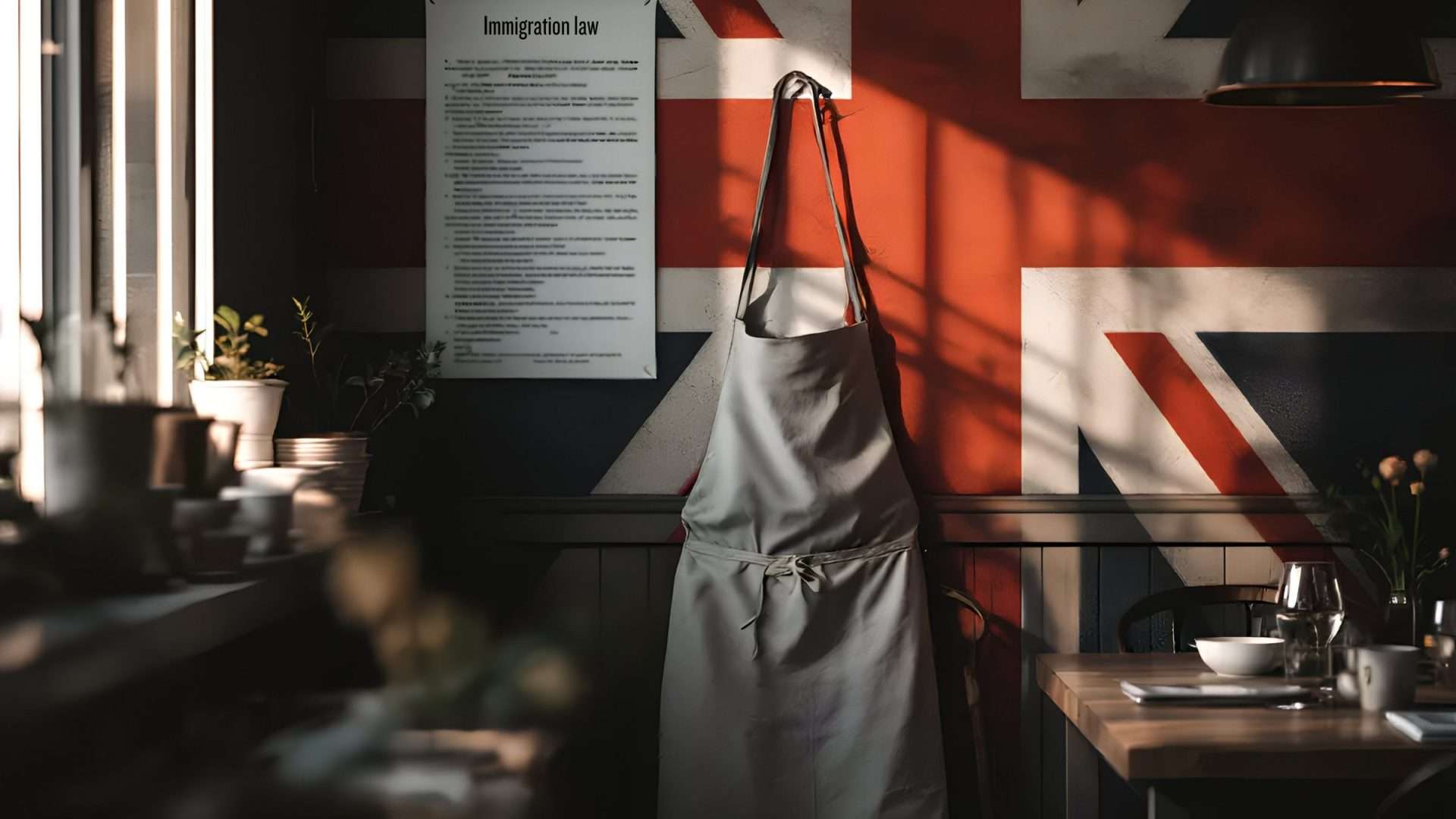
What the Government’s New Immigration Strategy Means for Hospitality Businesses
In May 2025, the UK government unveiled its most restrictive immigration white paper in decades—promising tighter controls, reduced net migration, and higher barriers for international workers. But for the already strained UK hospitality sector, this policy shift is more than a bureaucratic correction—it could trigger a crisis.
Main Keyword: UK immigration impact on hospitality sector
Prime Minister Sir Keir Starmer introduced the new immigration framework with the intention of reducing net migration by at least 100,000 people per year by 2029. The package includes dramatic restrictions on foreign worker recruitment, including the closure of the overseas care worker visa route, increased visa qualification levels, and substantial rises in employer sponsorship costs. For an industry where more than 20% of the workforce previously came from overseas, the message is clear: hire British, or face the consequences.
Strangling an Industry Already on Its Knees
Post-pandemic, post-Brexit, and now post-migrant labour? UK hospitality businesses are ringing the alarm bells.
“The hospitality sector has long relied on skilled, committed international professionals—especially in kitchens, service roles, and seasonal operations,” said one UK-based executive chef who wished to remain anonymous. “Without them, we simply won’t be able to meet demand.”
With over 84,000 unfilled positions in hospitality as of March 2025 (ONS), operators say that relying solely on domestic hiring is unrealistic. Upskilling takes time—and many British workers are simply not applying for these roles.
Key Measures That Will Reshape the Sector
Among the most disruptive elements of the 2025 immigration plan:
- Skilled Worker Visa reforms: Raising qualification requirements to UK degree-level equivalents (RQF 6), disqualifying 180+ job roles, including many common in hospitality.
- Immigration Skills Charge hike: An increase of 32%—small businesses will now pay up to £2,400 per hire, large businesses up to £6,600.
- Double the wait for residency: The time to apply for Indefinite Leave to Remain is now 10 years instead of 5, discouraging long-term workforce stability.
- Review of international student hiring: Universities face new taxes per international enrolment, while students will be under tighter scrutiny to stay and finish studies—limiting a key pool of part-time hospitality labour.
Together, these policies form a net that is closing fast on one of the UK’s most culturally and economically vibrant sectors.
“We’re Not Addicted to Cheap Labour—We’re Desperate for Talent”
In his announcement, Starmer blamed certain industries for being “almost addicted to importing cheap labour.” But UKHospitality CEO Kate Nicholls countered, saying: “This isn’t about cheap labour—it’s about filling jobs no one else wants.”
Hospitality roles are physically demanding, unsociable in hours, and under intense pressure. Many foreign workers have historically embraced these positions with dedication and resilience. The assumption that British workers will fill these gaps overnight is dangerously naive.
UK Immigration Impact on Hospitality Sector: A Conversation We Must Have
The hospitality industry isn’t asking for open borders. It’s asking for pragmatism. Balanced immigration policies that support business needs, encourage training, and maintain service quality.
Without immediate adjustments, we risk:
- Closure of thousands of independent pubs, restaurants, and hotels.
- Surge in labour costs, potentially increasing prices for consumers.
- Decline in service quality, customer experience, and global competitiveness.
- Reputational damage to the UK as a world-class hospitality destination.

What Should Be Done?
Industry leaders are calling on the government to:
- Reintroduce specific visa pathways for hard-hit sectors like hospitality.
- Expand the shortage occupation list for back- and front-of-house roles.
- Offer flexible visa schemes for students and seasonal workers.
- Provide transition support to businesses hit hardest by the policy change.
Final Thoughts: An Opportunity or a Breakdown?
The UK immigration impact on hospitality sector is not just a data point—it’s a cultural, operational, and economic threat. It affects chefs, GMs, suppliers, diners, and families alike. The 2025 immigration reforms may be a political win—but if not amended, they will be a hospitality loss.
This is a call not just for policy change—but for a national conversation.
How are the new immigration rules affecting your kitchen or team? Share your story with us