What Defines Luxury Kitchen Leadership in 2025?
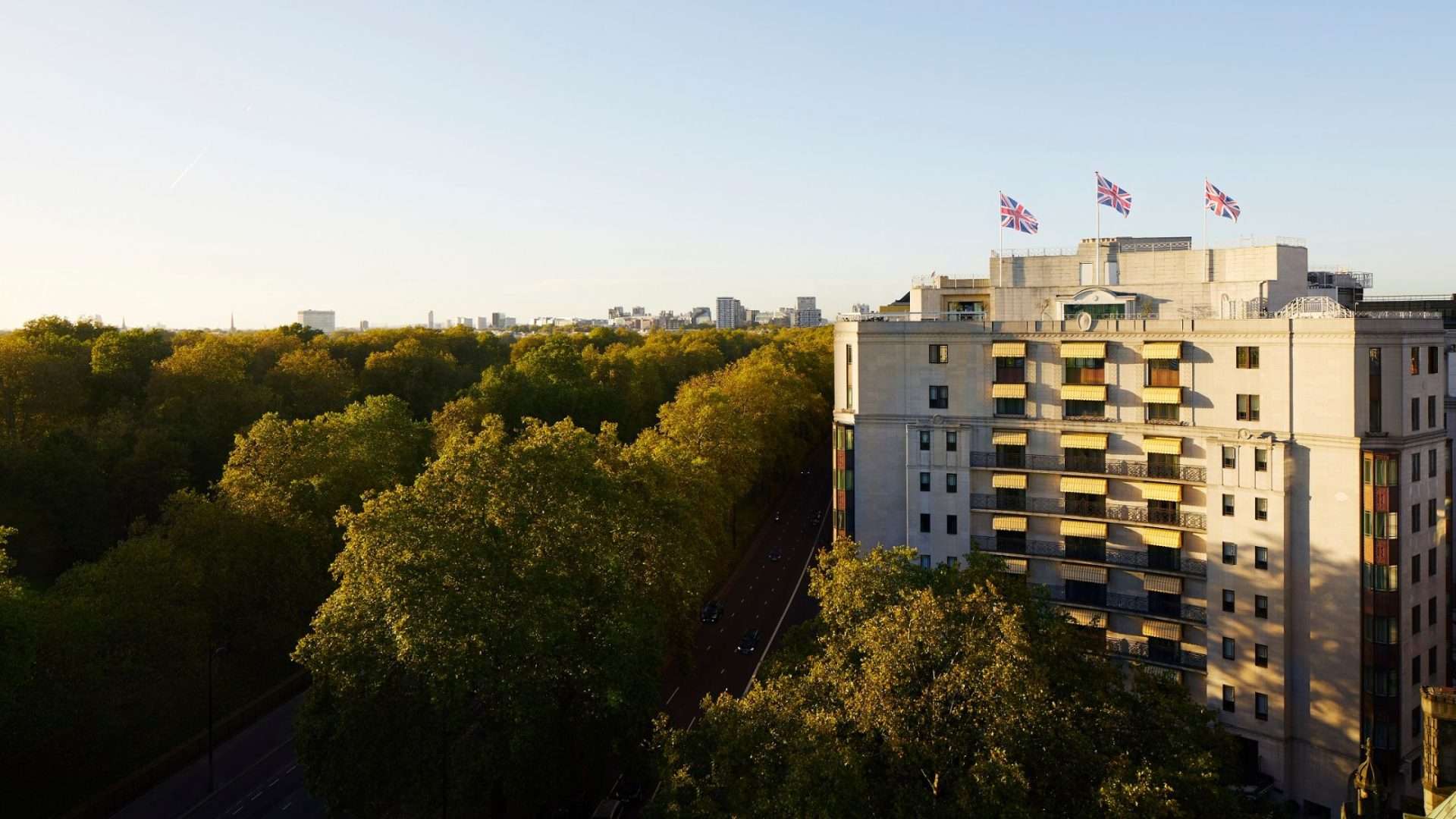
In 2025, luxury kitchen leadership is no longer just about culinary precision—it’s about empathy, sustainability, and inspiring innovation across every level of the kitchen brigade. As the Executive Chef at The Dorchester, London, Mario Varun Perera exemplifies how luxury hospitality must evolve to meet new expectations. From staff well-being and food waste reduction to modern kitchen technologies and emotional intelligence, Chef Mario redefines what it means to lead with purpose. In this exclusive CHEFS MAG interview, we dive into the strategies, values, and trends that shape the future of fine dining leadership.
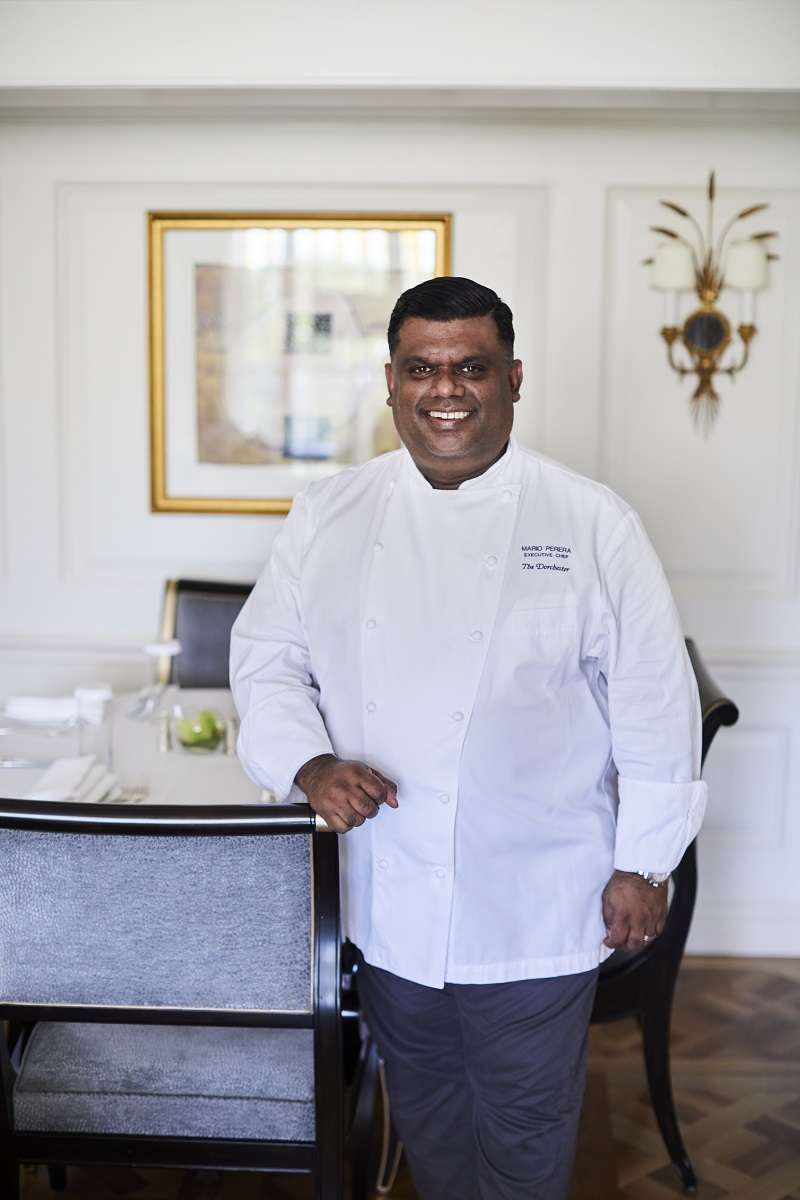
Chef Bio: Mario Varun Perera
With over two decades of global experience, Chef Mario Varun Perera is the Executive Chef of The Dorchester, overseeing culinary operations across its prestigious dining venues and events. Originally from Sri Lanka, he brings a unique mix of classical technique and forward-thinking innovation. His leadership at The Dorchester places strong emphasis on sustainability, guest-centricity, and building a collaborative, empowered team culture.
Close up Interview with Executive Chef Mario Perera
What does leadership look like in a luxury kitchen in 2025?
– Leadership today is about empathy, culture and clarity. It’s about building an environment where every team member feels valued and inspired to grow. At The Dorchester, we put wellbeing, collaboration and sustainability at the centre of everything. A luxury kitchen should lead by example, not only through the food, but in how we treat our people and our planet.
How do you maintain consistency and excellence across such a large and diverse culinary team?
– It comes down to planning, clear communication and pride in your craft. With close to 100 chefs across our operations, we focus on creating a shared sense of purpose. Strong sourcing, training and day-to-day discipline keep standards high. But excellence also requires passion – and that’s something we cultivate daily.
What are the biggest operational or cultural challenges luxury kitchens face today?
– Rising supplier costs can be a challenge but I prefer to look at the opportunities like our guests expectations and how we can exceed them. It is also important for us to have a good culture in the kitchens – chefs want to work in kitchens where they feel respected, heard and supported.
How are you addressing the ongoing chef and hospitality staffing shortage in the UK?
– At The Dorchester, we provide opportunities for development, celebrate achievements and ensure the working environment is both professional and rewarding. Retention comes from purpose and investing in your teams.
What role does sustainability play in the day-to-day running of your kitchen?
– Sustainability drives how we plan, source and cook. We waste less than 5% of our food by being thoughtful and creative. We partner with trusted, local suppliers and prioritise seasonality. It’s about respecting the ingredient and the environment.
Training happens in the kitchen, but also outside of it. I encourage our young chefs to visit markets, meet producers, and understand the supply chain
How has the meaning of “luxury dining” changed in the post-pandemic era?
– Luxury today is deeply personal. Guests want to connect – to the food, to the story and to the people behind it. We’ve evolved our service to focus on theatre, creativity and guest engagement. The experience has to be as memorable as the meal.
How do you encourage creativity while maintaining the high standards expected at The Dorchester?
– By listening. Every chef, at every level, has something to contribute. We test ideas together, refine them and support innovation across all departments. Creativity flourishes when people feel safe to speak up – and when we maintain the standards that define our reputation.
What new technologies or innovations are transforming how luxury kitchens operate today?
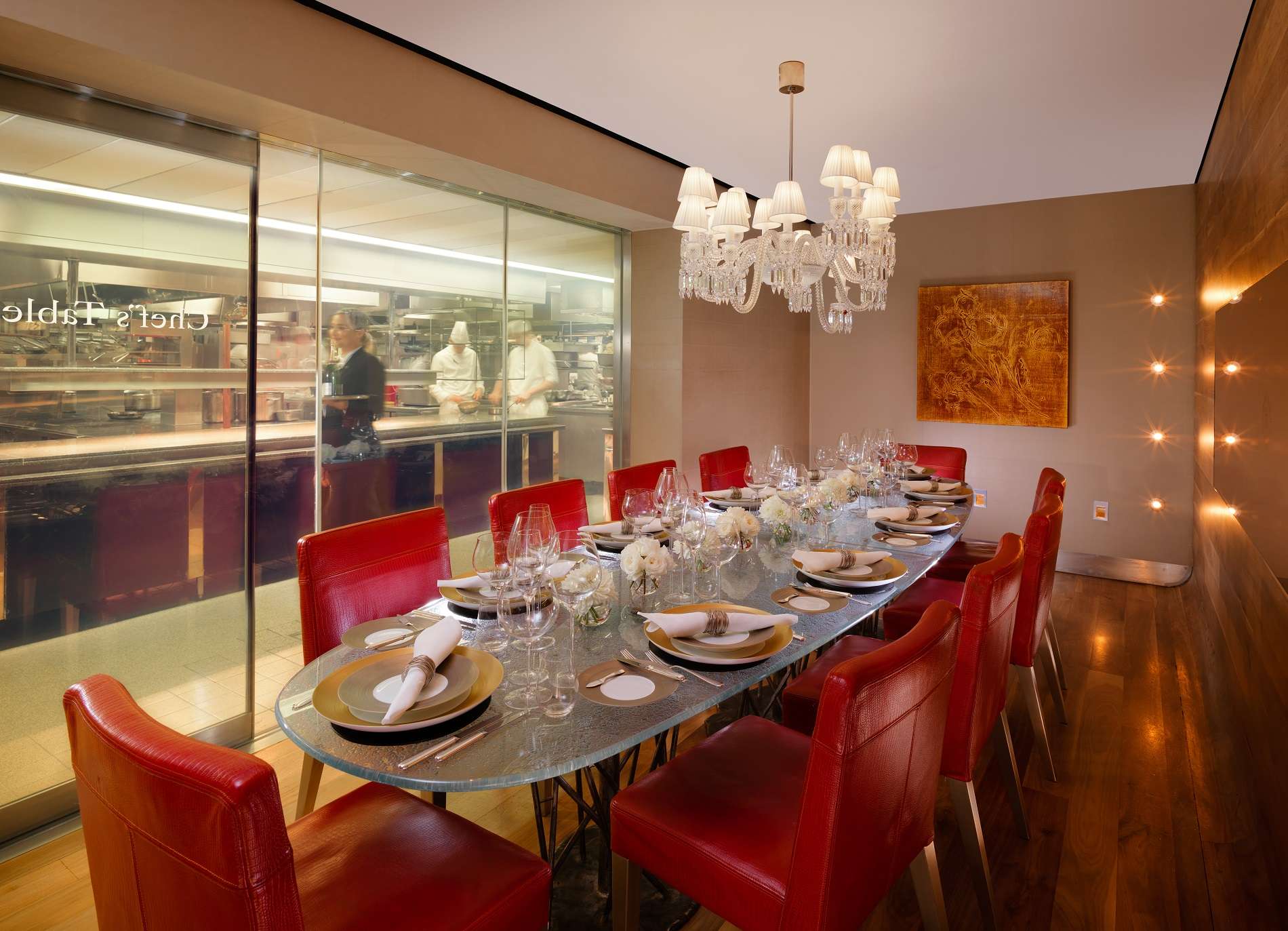
– The renovation of our kitchens has elevated every aspect of how we work. State-of-the-art equipment help us operate efficiently and sustainably. We also regularly welcome guests into our kitchens – they’re often surprised by the scale and precision behind the scenes.
What’s your approach to mentoring and developing young chefs in your brigade?
– Training happens in the kitchen, but also outside of it. I encourage our young chefs to visit markets, meet producers, and understand the supply chain. I’m also proud to serve as a senior judge for Young Chef Young Waiter and the Young Chef Olympiad, where I mentor talent from all over the world. Personal growth leads to professional excellence.
Which culinary trends in the UK right now do you find most exciting—or concerning?
– The shift away from rigid fine dining towards more relaxed, experience-driven concepts is interesting. But it’s important not to lose sight of substance. At The Dorchester, we evolve with confidence in our heritage – we don’t follow trends, we refine the experience we offer.
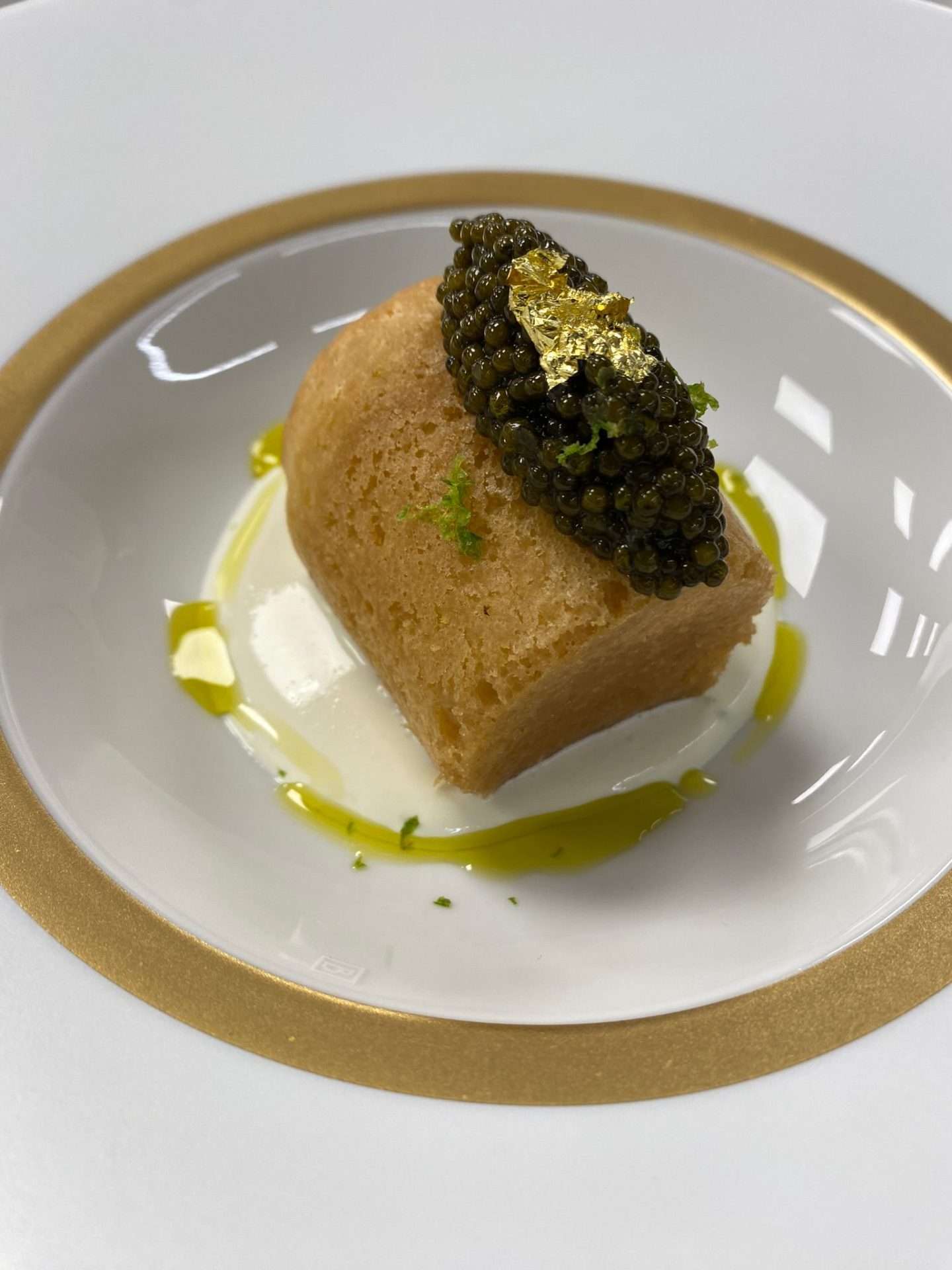
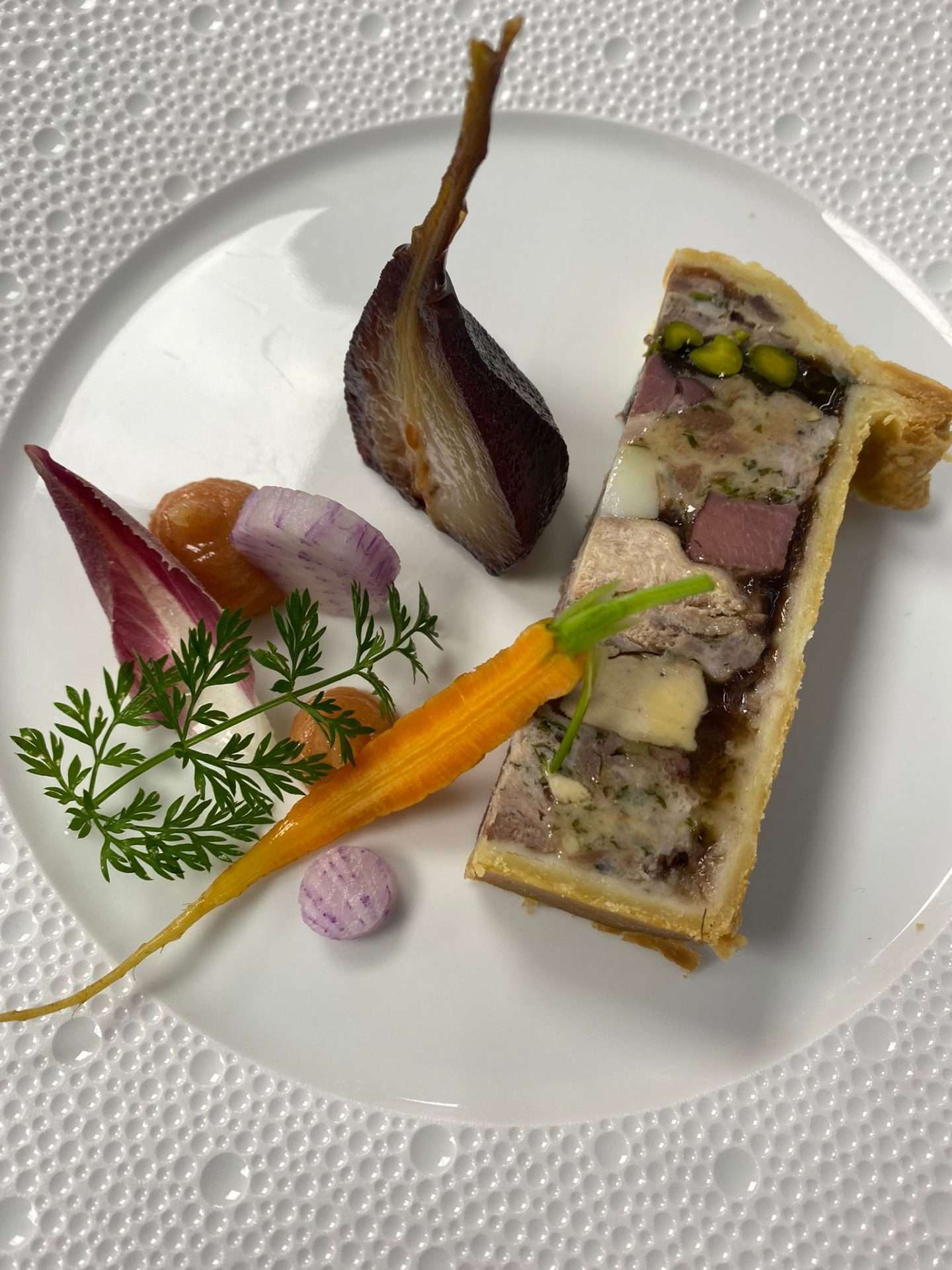
At The Dorchester, we evolve with confidence in our heritage – we don’t follow trends, we refine the experience we offer.
What can small or mid-tier restaurants learn from the structure of luxury kitchen operations?
– Respect and communication. Whether you’re a two-person kitchen or a 100-strong brigade, efficiency starts with mutual respect and clear standards. Those principles are universal.
When hiring, what qualities or traits do you value most in a chef?
– Passion, resilience and curiosity. Skill can be taught – but a great attitude is everything. We look for chefs who are ready to grow, eager to learn, and committed to their craft.
How do you and your team handle critical guest feedback in such a high-profile setting?
– Feedback is a gift. We listen carefully and take each comment as an opportunity to improve or tailor our service. As a hotel, we welcome guests from around the world, each with unique needs – and it’s our job to exceed their expectations, every time.
In a world of pop-ups, influencers, and fast trends, how do luxury kitchens stay relevant?
– By staying connected. We work closely with our PR and marketing teams to tell meaningful stories about our people, dishes, and values. Relevance is about authenticity – not just visibility.
What advice would you give to aspiring chefs aiming to lead in five-star hospitality?
– Be hungry, stay humble and never stop learning. Leadership is earned through consistency, care, and character. If you love the craft, and respect the journey, you’ll find your place at the top.
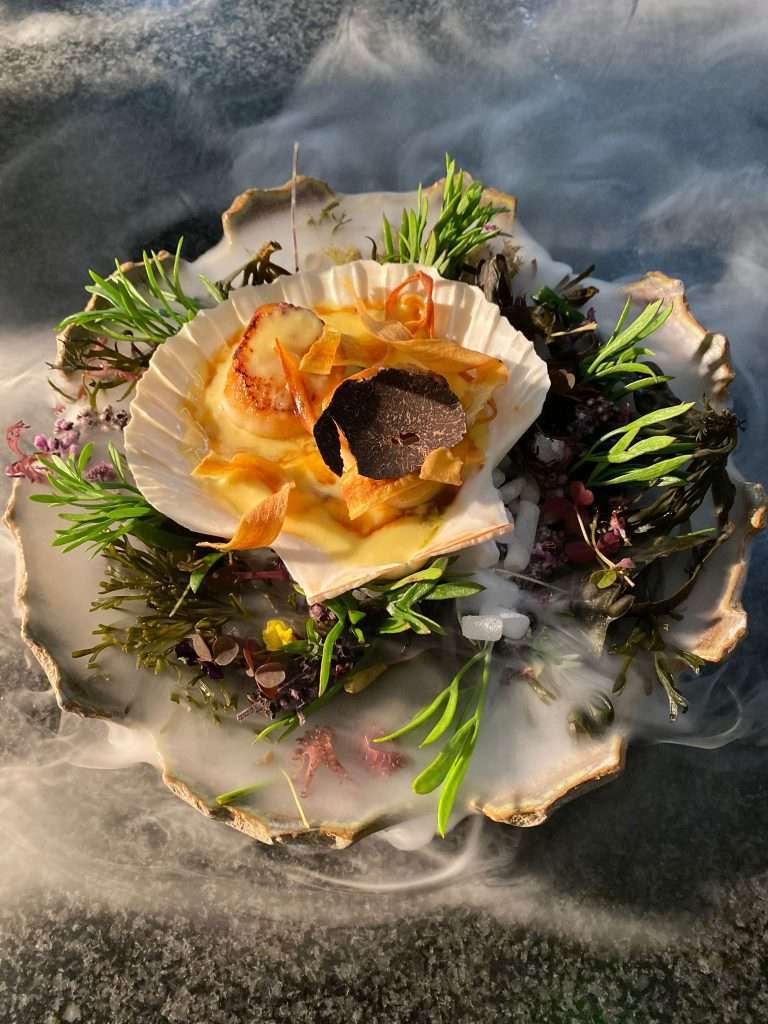
Chef Mario Varun Perera’s story isn’t just about leading one of the UK’s finest culinary institutions—it’s about what defines luxury kitchen leadership in 2025. It’s not technique alone that earns a team’s loyalty or a guest’s admiration—it’s clarity, compassion, and a culture of excellence. As kitchens everywhere look for guidance in this rapidly changing industry, Chef Mario’s example serves as both a mirror and a map.
Are you leading your team into the future?