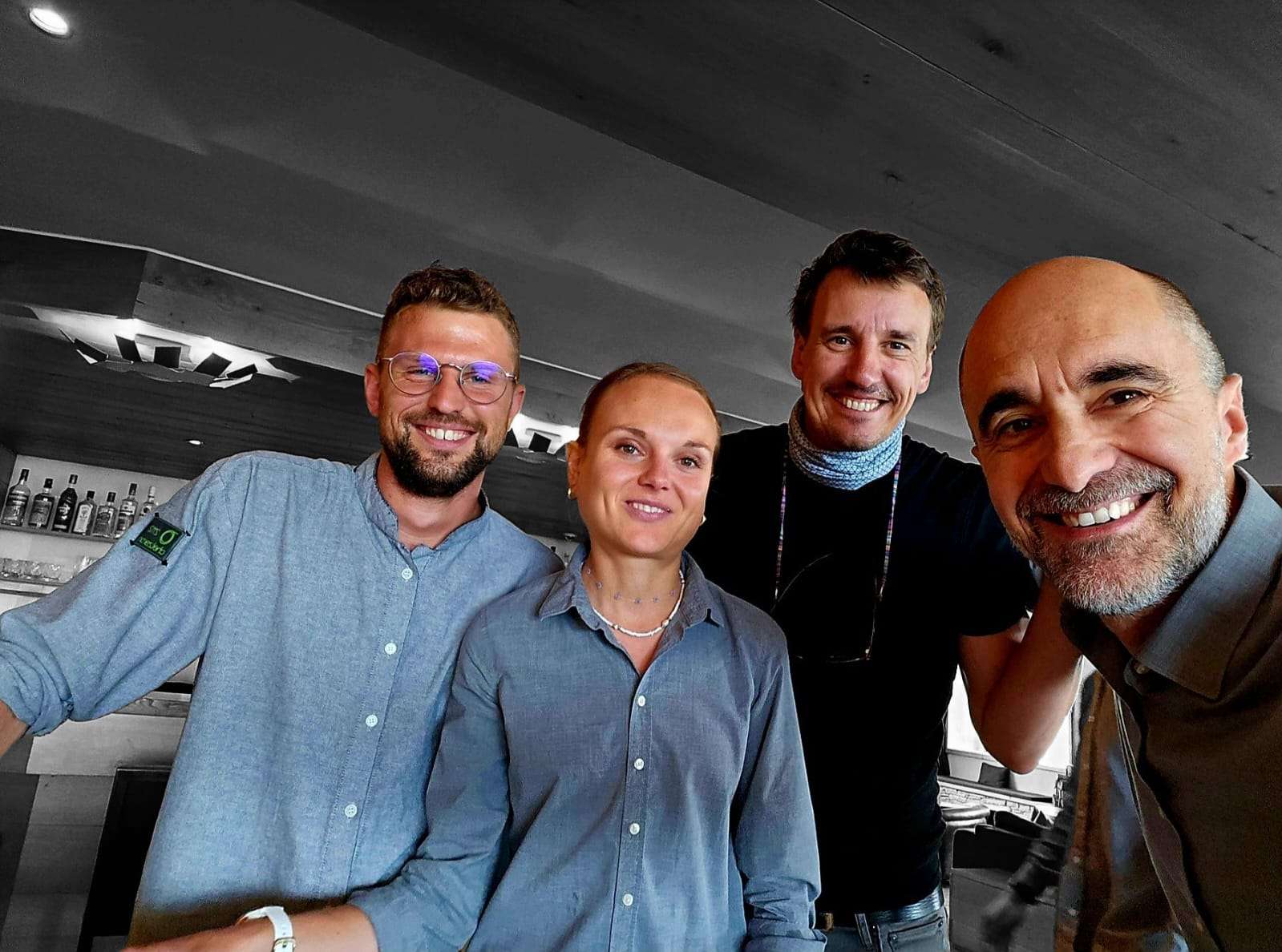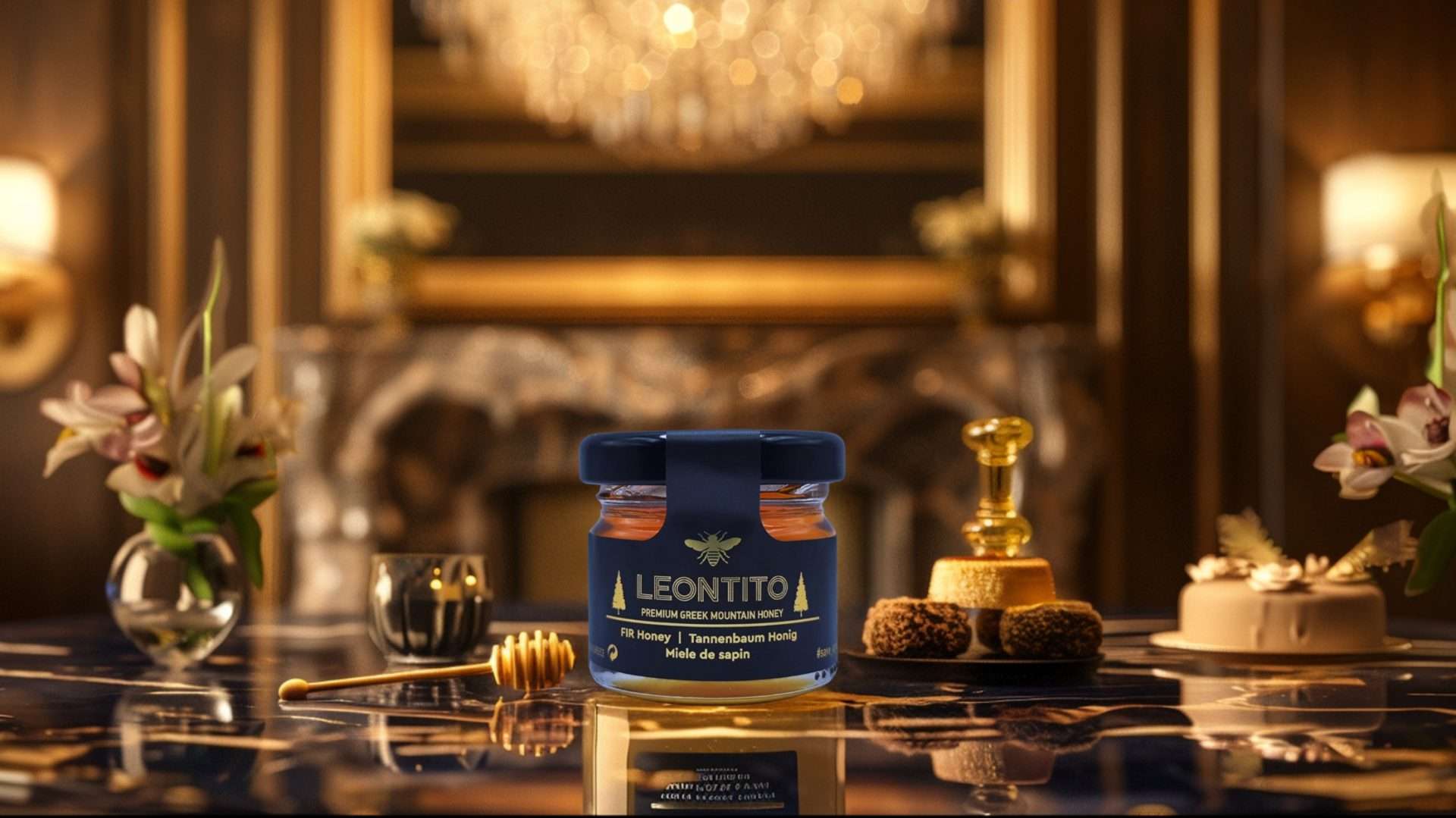
To explore what makes Leontito Honey so unique, we spoke with its founder, Panos Sfyris, about the inspiration behind the brand, the secrets of its superior quality, and its mission to bring authentic honey back to gastronomy.
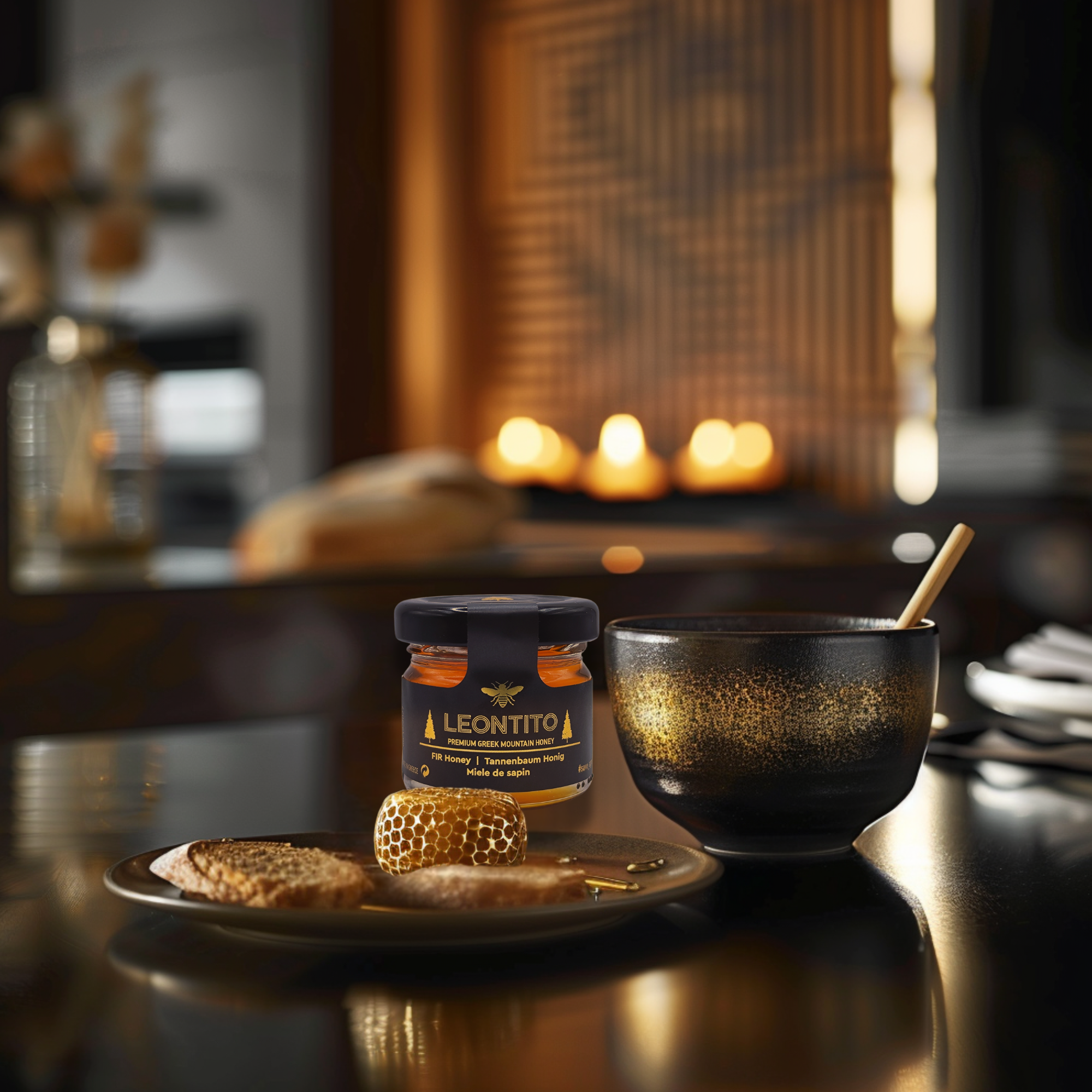
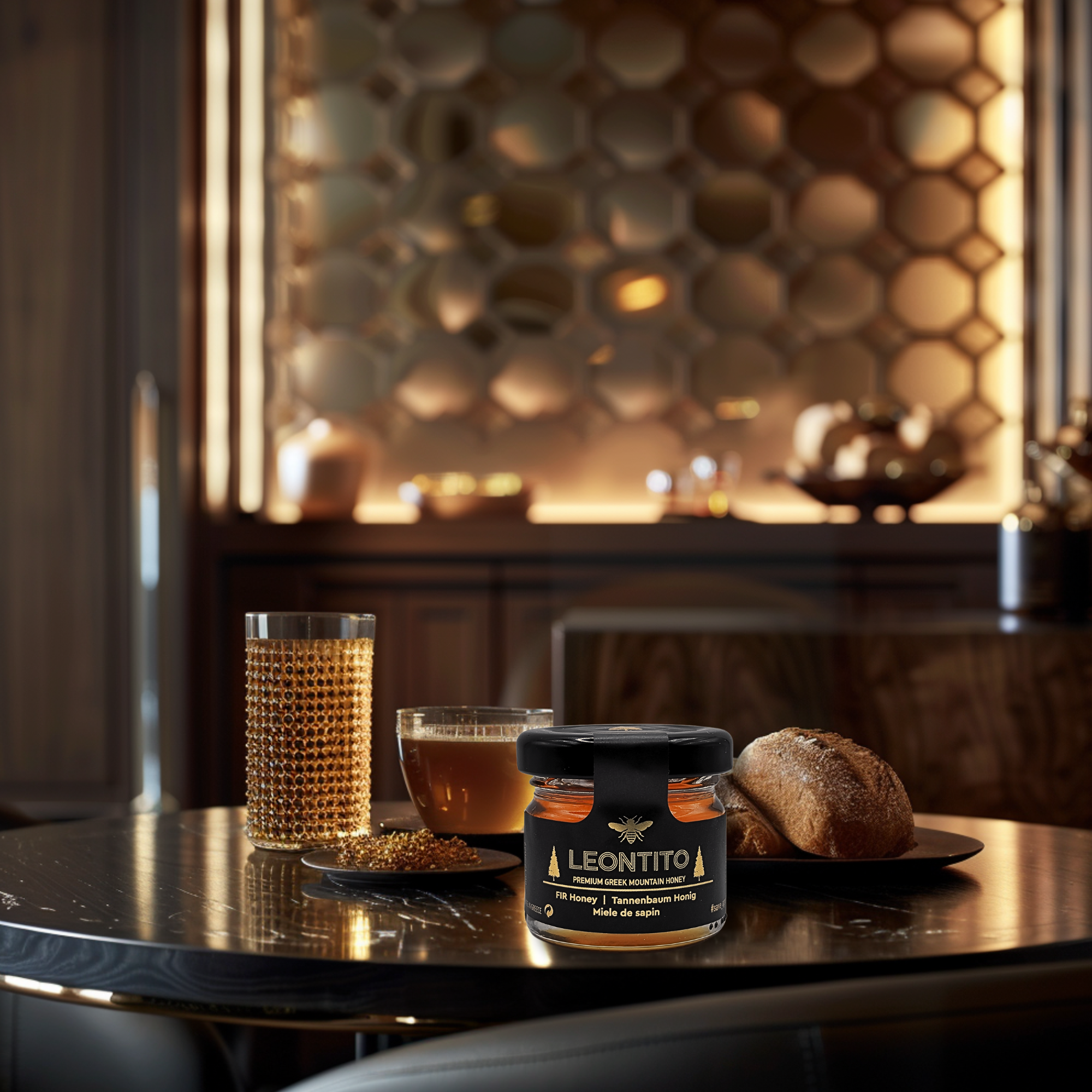
The Interview
Chef’s Mag: Panos, Leontito Honey has captured the attention of culinary professionals worldwide. What inspired you to start this journey?
Panos Sfyris: The inspiration comes from my deep connection to the Agrafa mountains. Growing up in this region, I was always surrounded by nature’s purity. I wanted to create a product that not only honors this extraordinary environment but also reintroduces the world to real honey—raw, pure, and untouched by industrial processing.
Chef’s Mag: The Agrafa mountains play a central role in your honey production. What makes this region so special?
Panos Sfyris: Agrafa is a paradise. Its high altitudes, dense pine forests, and wildflower meadows create an ecosystem unlike any other. This environment allows our bees to forage freely, gathering nectar from untouched flora. The result is honey that’s rich in flavor and nutrients, with each type reflecting the unique character of the region. You just need to imagine an natural spot like Switzerland but with no people. People have left as there are no jobs and nature has taken over.. That makes it a unique place for bees to fly free with no pollution or even human interferiece..
Chef’s Mag: Leontito Honey comes in several varieties. Can you tell us more about them?
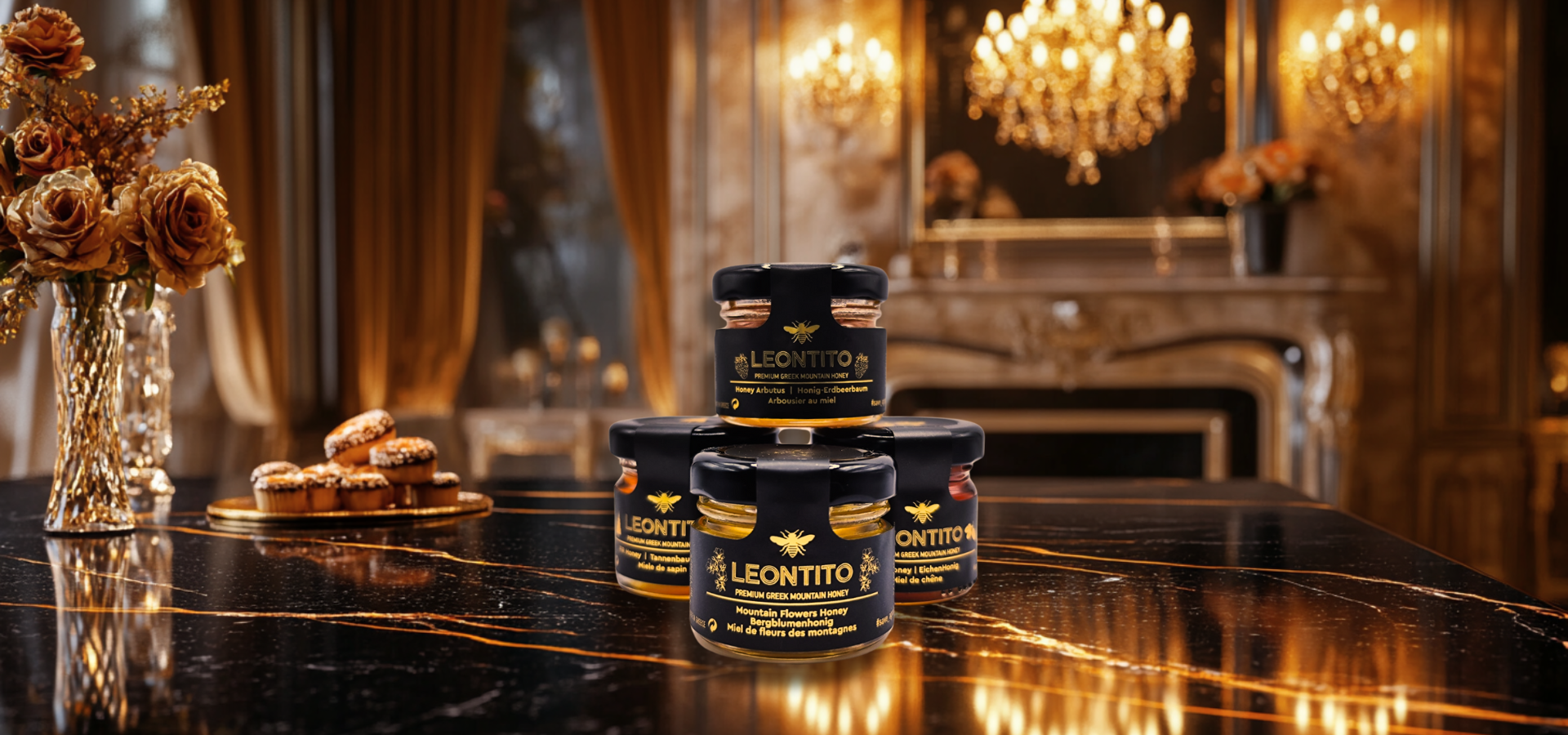
Panos Sfyris: Absolutely. We offer four distinct types, each with its own story:
- FIR Honey: This creamy, reddish honey comes from the resins of fir trees. It’s not overly sweet, with a hint of spice, and is packed with antioxidants and anti-inflammatory properties.
- OAK Honey: Dark and bittersweet, this honey captures the essence of the forest. It’s one of the most antioxidant-rich honeys in the world, filled with minerals like potassium and magnesium.
- Alpine Flowers Honey: Light and floral, this honey is collected from wildflowers at altitudes of 1,000-2,000 meters. Its aroma is a burst of nectar, making it perfect for desserts and lovers of natural sweetness.
- ARBUTUS Honey: Bitter and complex, this honey is made from strawberry tree flowers. It’s low in glucose, making it ideal for those seeking a low-calorie option or even diabetics when consumed in moderation.
Chef’s Mag: Your honey has gained recognition from top chefs. What makes it so appealing to culinary professionals?
Panos Sfyris: The authenticity and complexity of our honey make it stand out. Each variety has a unique flavor profile that enhances both sweet and savory dishes. Chefs love its versatility—it can complement artisanal cheeses, elevate desserts, or add depth to marinades and glazes. Chefs choose it as well for BREAKFAST -I have seen a lot of fake altered honey in hotels and in the supermarkets. Chefs know about it but many times they do not have a better choice. Now with Leontito honey they do…
Chef’s Mag: How do you ensure such high quality in every jar?
Panos Sfyris: Quality starts with the bees. Our hives are located far from human intervention, allowing the bees to forage in untouched areas. We use traditional beekeeping methods, ensuring that the honey remains raw and unprocessed. Even during collection, we leave enough honey for the bees to thrive through the winter—it’s about respecting the natural balance.
Chef’s Mag: Sustainability is a core value for Leontito Honey. How does your production reflect this?
Panos Sfyris: Everything we do revolves around sustainability. From protecting the biodiversity of Agrafa to using eco-friendly packaging, we’re committed to minimizing our environmental impact. We’re also proud to support initiatives like SAVE_AGRAFA, which fights to preserve the region from industrial developments like wind farms.
Chef’s Mag: What challenges have you faced in producing honey in such a remote location?
Panos Sfyris: The remoteness of Agrafa is both a blessing and a challenge. While it allows us to maintain purity, the logistics of accessing the hives and transporting the honey are complex. But the results are worth every effort.
Chef’s Mag: Leontito Honey isn’t available in retail stores. Why did you decide to keep it exclusive?
Panos Sfyris: Exclusivity is part of our identity. By limiting availability, we ensure that our honey is reserved for those who truly value its rarity and quality. It’s available only through our website and select platforms like All4Chefs, allowing us to maintain direct relationships with our clients. For the future in 2026 we may consider it , lots of families are asking me where they can find it …
Chef’s Mag: What feedback have you received from Michelin-starred chefs and luxury hotels?
Panos Sfyris: The response has been incredible. Chefs appreciate the authenticity and versatility of our honey. They often tell us that it inspires creativity in their kitchens. Hoteliers value the story and exclusivity—it’s a product that resonates with their guests.
Chef’s Mag: Where do you see Leontito Honey in the next five years?
Panos Sfyris: We’re focused on expanding our presence in key markets like London, Paris, and Dubai, while staying true to our roots. Quality will always come first, so growth will be deliberate and measured. We also aim to deepen our partnerships with chefs and hoteliers, creating exclusive collaborations that highlight the versatility of our honey. For the future we are looking into ASIA and Northern America as well.
Chef’s Mag: Finally, if you could describe Leontito Honey in three words, what would they be?
Panos Sfyris: Pure. Rare. Inspirational.
A Taste of Agrafa
Leontito Honey is more than an ingredient—it’s a reflection of Greece’s natural beauty and tradition. From the creamy richness of FIR Honey to the bittersweet complexity of ARBUTUS Honey, each jar is a journey into the heart of Agrafa.
For chefs, hoteliers, and gastronomes seeking to offer their guests an unparalleled culinary experience, Leontito Honey is the ultimate choice. To learn more or request a sample, visit Leontito Honey or All4Chefs.